


Is the Canon 5D Classic Still Good?
The Canon 5D Classic offers a cost-effective way to achieve high-quality photos, especially for those who don't need the latest features. It's particularly suitable for deliberate, thoughtful photography in good lighting conditions. However, users should be aware of its limitations, especially in low-light situations.

How To Turn Any Lens Into An Ultrawide Lens
Learn how to create wide-angle photos with any lens using panoramic stitching. This video demonstrates the technique using a Palestinian mural in Washington DC as an example. Discover the equipment needed, shooting tips, and post-processing steps to overcome space limitations and capture impossible shots. Perfect for photographers looking to expand their creative possibilities without investing in expensive ultra-wide lenses. Master this method to solve common shooting challenges.

How to Get Smooth Handheld Footage: Top 5 Techniques for Beginners
In this post, I share my tips for shooting handheld video using a 50mm lens, offering practical techniques for stabilization without gimbals or expensive gear. From using your body as a stabilizer, leveraging camera straps, to applying post-production techniques like warp stabilizer, these tips will help you achieve smoother, professional-looking footage with minimal equipment.

How To Become A Professional Photographer and Videographer
Discover what it truly takes to become a successful professional photographer or videographer. Learn why relationships and soft skills matter more than the latest gear. Explore tips on building client trust, handling business challenges, and maintaining passion through personal projects. Get insights on social media strategies, community building, and continuous growth in the competitive world of visual content creation.
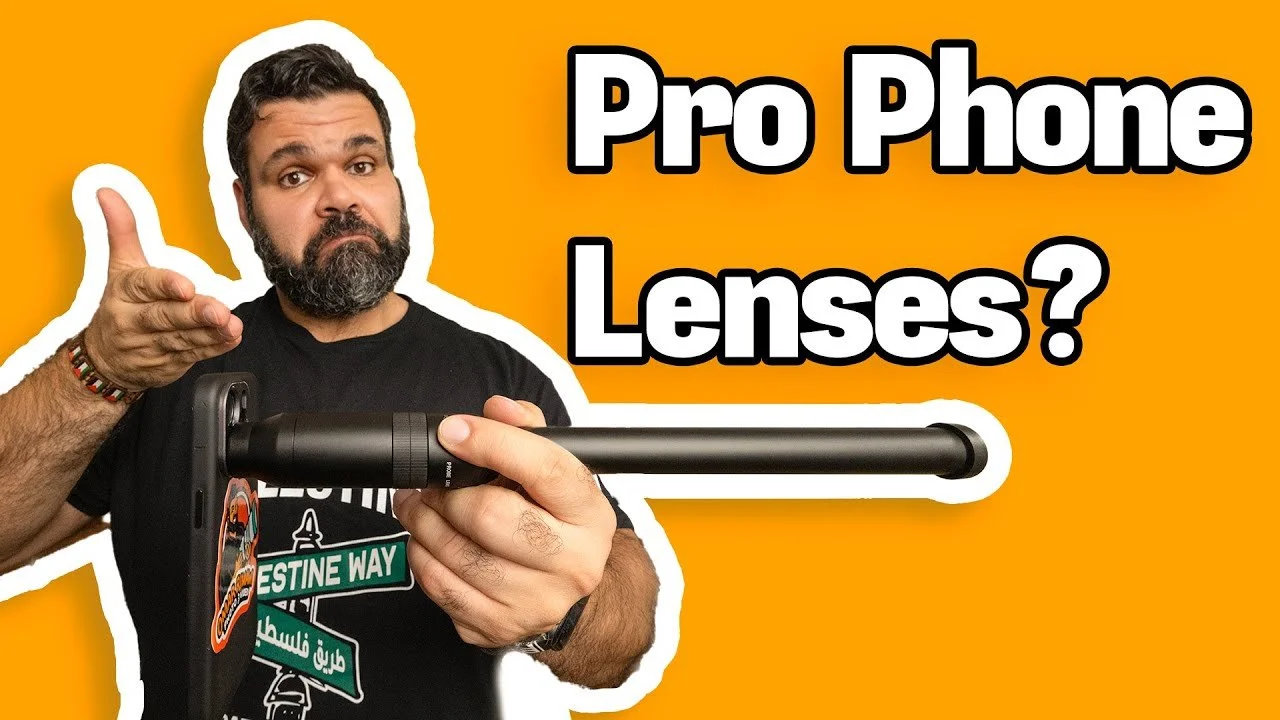
No Camera Needed: Why Phones Are Finally Useful for Paid Video Work
A phone probe lens I've used on paid jobs, plus ProRes, log and the Blackmagic Camera app, make phones a real production tool for product video. How it compares to a full-size probe lens and why skills beat gear.

Palestinian Traditional Dress Day: A Tatreez Short Film Shot on the Fujifilm X-H2S
A short documentary shot on the Fujifilm X-H2S for Palestinian Traditional Dress Day, featuring a fourth-generation tatreez artist on the history, meaning and teaching of Palestinian embroidery.

Adapting Canon FD Lenses To Fujifilm Cameras (With A Speedbooster)
In my latest exploration, I took the Canon FD 20-35mm f/3.5L lens, a vintage gem, and mounted it onto my Fujifilm XT3 using a Metabones Speed Booster. This setup brings out the nostalgic charm of vintage lenses while making them more versatile on modern mirrorless cameras.
The appeal of these old lenses lies in their character, which offers a unique, timeless look that newer lenses often lack. While they may not match the sharpness and autofocus capabilities of today’s technology, the Canon FD lenses deliver a distinctive aesthetic that many photographers find appealing, especially in a world where the cost of new equipment continues to rise.
Throughout my photo walk, I explored various scenes, from tall grass to urban settings in my hometown, capturing images that evoke memories with their film-like rendering. The Speed Booster not only enhances the lens’s performance by providing a wider field of view and an additional stop of light but also adds a layer of convenience for those who want to breathe new life into their old glass.
While there are some challenges, such as the lack of weather sealing and manual focus, the experience of using these lenses is rewarding. Whether you’re looking to save money or simply want to experiment with vintage gear, adapting Canon FD lenses to the Fujifilm XT3 with a Speed Booster is a satisfying way to achieve a classic photographic look.
If you’re interested in exploring this setup, I highly recommend giving it a try. And as always, feel free to leave any questions or suggestions for future videos in the comments. Catch you at the next one!

The Fujifilm 200mm F2 in 2024
In my latest video, I revisited one of my favorite lenses, the Fujifilm 200mm F2, which I’ve owned for nearly five years. Originally designed for sports photography, this lens offers incredible subject magnification and background compression, making it surprisingly effective for portrait work. I took it out for some portrait sessions, and the results were stunning. The 200mm F2, especially when paired with a 1.4x teleconverter, transforms everyday scenes into dramatic, high-impact images that are usually reserved for professional sports photography.
Despite its weight and size, this lens is a joy to use, delivering crisp, detailed photos even in challenging lighting conditions. If you're interested in seeing how this lens performs outside of its usual sports environment, check out the video for a detailed look at its capabilities in portrait photography. As always, feel free to leave your thoughts and suggestions in the comments.

Fujifilm X-T5 and 50mm F1 Natural Light Photoshoot
In my latest video, I dive into a portrait photoshoot using the Fujifilm X-T5 paired with the 50mm F1 lens—one of my all-time favorite setups. I’ve always appreciated the versatility of this lens, especially its ability to create stunning portraits with a slightly wider view than the typical 85mm.
During the shoot, I experimented with both natural and off-camera flash lighting, highlighting the importance of understanding your gear and the environment. This session reminded me that while modern technology is fantastic, sometimes it's refreshing to return to the basics, relying more on ambient light and less on additional equipment.
I also touched on the importance of adaptability during a shoot, especially when dealing with challenging lighting conditions. Whether you're a seasoned professional or just starting out, this video showcases how a well-chosen lens can elevate your photography, making every shot count.
If you're interested in seeing the results and learning more about my process, check out the video linked above. And as always, feel free to leave your thoughts and suggestions in the comments.

13mm Wide Angle Setup For Your Z-V1 II
If you’re using the Sony ZV-1 Mark II and looking to expand its field of view for your vlogs or desk setups, this guide is for you. The standard field of view can feel restrictive, especially for those who need to capture more in tight spaces. By adding a Ulanzi wide-angle lens and pairing it with the C TV bracket, you can achieve a dramatic 13mm focal length, offering an expansive view perfect for YouTube content creation.
This setup is particularly beneficial for those who want to maintain a compact, portable configuration while getting that extra wide-angle perspective. Whether you're showcasing products, creating tutorials, or just looking for a more engaging shot, this combination gives you the flexibility and professional touch you need.
One thing to note is the slight curvature introduced by the wide-angle lens, but this can be corrected with lens correction in post-production. The result? A super-wide, immersive field of view that rivals more expensive setups, all from your desk.
In conclusion, this 13mm wide-angle setup for the ZV-1 Mark II offers a simple yet powerful way to enhance your video production. It’s a game-changer for content creators who want a broader perspective without sacrificing portability. If you're looking for a nerdy, effective way to upgrade your ZV-1 Mark II, this is the setup for you. Catch you in the next video!

Upgrade Your Phone Videos: Five Essentials For Pro Results
In this video, I demonstrate how to elevate your phone video quality with five essential tools. First, focus on audio quality by using a reliable lavalier mic like the Sennheiser XS USB-C. Next, improve your lighting with a compact, portable light such as the Aputure MC. Use a magnetic selfie screen to easily frame shots with your phone's rear camera. Invest in a sturdy tabletop tripod for stable, eye-level shots. Lastly, leverage the Blackmagic Camera app for pro-level features like manual controls and aspect ratio framing.
These tools make your content look and sound more professional without breaking the bank. If you’re serious about improving your videos, these are must-haves in your toolkit.

Taking The Canon 24-105mm F2.8L For A Spin: A Real World Test
Blog Post: The Evolution of Gear Reviews and the Canon 24-105mm f/2.8L
In a landscape saturated with gear reviews, it's easy to lose sight of why many of us started creating content. Initially, gear videos weren't the goal; they became a necessity after navigating countless purchases and the dream of turning a passion into a profession. This context sets the stage for my review of the Canon 24-105mm f/2.8L, a lens that breaks away from the monotony of gear talk because it genuinely solves long-standing problems for professionals.
For years, the Canon 24-105mm focal length has been synonymous with versatility, but it often left photographers and videographers wanting more, especially in low light. The original f/4 version, while functional, lacked the light-gathering capability needed for more challenging environments. Fast forward to today, Canon has redefined this focal range with the 24-105mm f/2.8L, a lens that finally offers the best of both worlds—versatility and light performance.
What sets this lens apart? It’s not just the extra stop of light, but how it impacts the workflow of professionals. For event photographers and videographers, this lens minimizes the need to constantly switch between lenses, streamlining the process and allowing for greater focus on capturing the moment. Whether you're double-slinging cameras at a wedding or covering dynamic sports events like Strongman competitions, this lens adapts effortlessly.
For photographers, the lens addresses the long-standing issue of focal length overlap in the classic trinity setup (24-70mm, 70-200mm). The 24-105mm fills this gap, making it possible to cover a broader range without the need for multiple lenses. This efficiency is particularly valuable in tight quarters, where swapping lenses can be cumbersome and time-consuming.
For videographers, the 24-105mm f/2.8L is a game-changer. Its versatility allows for seamless transitions between wide and medium telephoto shots, even in challenging shooting conditions. When paired with a high-resolution camera like the Canon R5C, the lens can effectively cover an even broader range with digital cropping, making it an indispensable tool for event coverage.
Despite its larger size and weight compared to the 24-70mm, the benefits far outweigh these minor inconveniences. The lens’s construction is a testament to Canon’s commitment to pushing the boundaries of what's possible, offering a lens that meets the needs of both photographers and videographers without compromise.
In conclusion, the Canon 24-105mm f/2.8L is more than just an incremental upgrade; it's a lens that could very well redefine the standard kit for professionals. Whether you’re a seasoned photographer, a budding videographer, or somewhere in between, this lens offers a compelling reason to reconsider your go-to gear setup. As we move into an era where AI and innovative lens designs are becoming the norm, Canon is leading the charge with tools like this that genuinely enhance the creative process.

My Favorite Fujifilm Portrait Combo
The Fujifilm X-T5 and 50mm F1 are my favorite camera/lens combo to date. In this video I do a Cherry Blossom photoshoot using this combo and go over its strengths, weaknesses, and compare it to other setups.

The Canon G1X Mark III Is The Best Point-And-Shoot Camera Around
The Canon G1X Mark III is a weather-sealed APSC powerhouse that’s still affordable, at least until TikTok makes it go viral.
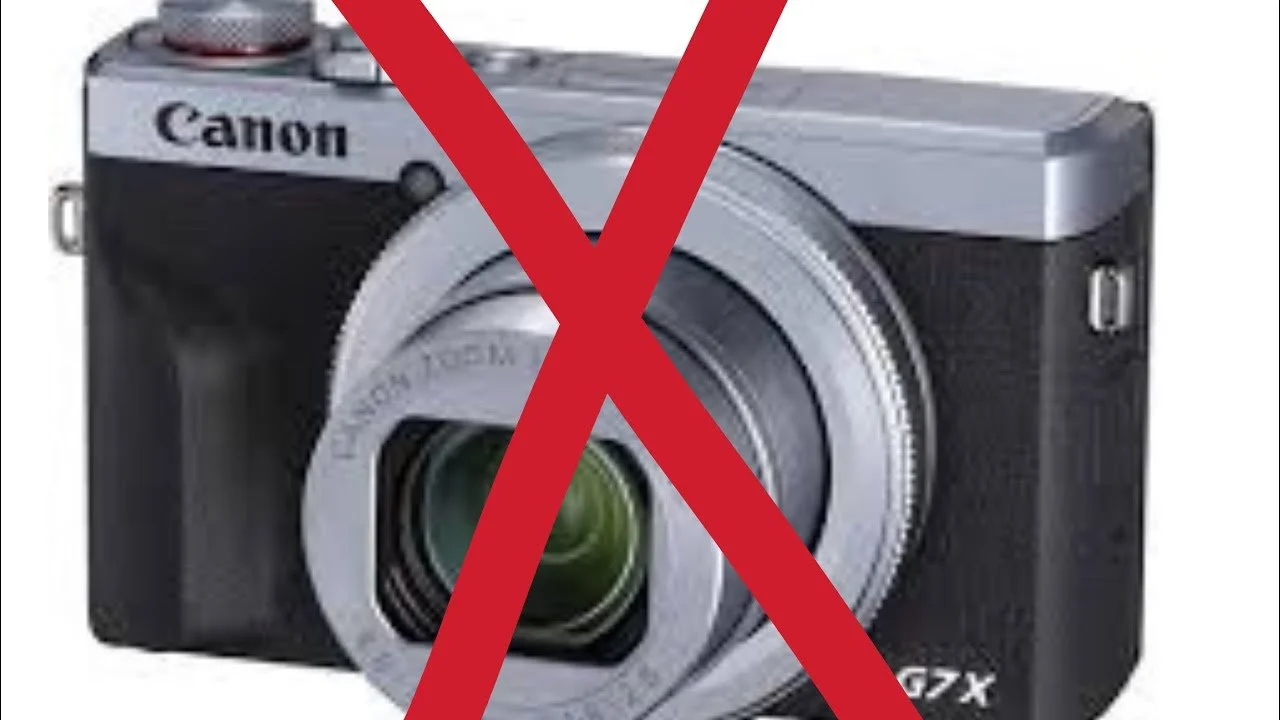
TikTok's Favorite Camera Is Trash: Skip the Canon G7X Mark III
Why you shouldn't overpay for the Canon G7X Mark III: overheating 4K, contrast-detect autofocus that hunts, and better, cheaper alternatives like the Sony ZV-1, RX100 VII and the APS-C Canon G1X Mark III.

Your Camera Company Doesn’t Love You
In this video, I go over the emotional heartstrings camera companies tug at to build the parasocial relationship with customers that we’re all to familiar with in this day and age.
Don’t fall for it, it’s a trap.

Exploring the Final Cut Camera App: A Comprehensive Review
In my latest video on the Final Cut Camera App, I dive into the powerful features and functionalities of this innovative app designed for videographers. This tool offers a seamless shooting and editing experience with its user-friendly interface and pro camera controls, perfect for both professionals and amateurs.
Why Michaels Made My Boycott List
Why I stopped buying picture frames and supplies from Michaels after comments from its parent company's CEO about campus protests, and where I'm buying instead.

Fujifilm’s Best Portrait Lens
Fujifilm has lenses that are staples in every shooter’s camera bag. Some are so popular that even Non-Fujifilm shooters know about them. One lens whose superiority goes unsung is the Fujifilm 50mm F1. Ridiculed by reviewers since day one, the reality is that it stands on its own in both Fuji’s lens lineup and across all camera brands as one of the lightest and fastest portrait lenses on the market today.

Fujifilm X-T5 Long-Term Review
The Fujifilm X-T5 is the true successor to my all-time favorite camera, the Fujifilm X-T3. In this video we see how the classic ergonomics and dial mesh with the new 40 megapixel sensor and autofocus algorithms to make what may very well be the last photo camera I ever buy. Join me and my friend Babs in the Baltimore Harbor for this video as we put the X-T5 through its paces with the newer linear motor lenses along with the legacy 16mm F1.4 lens.