

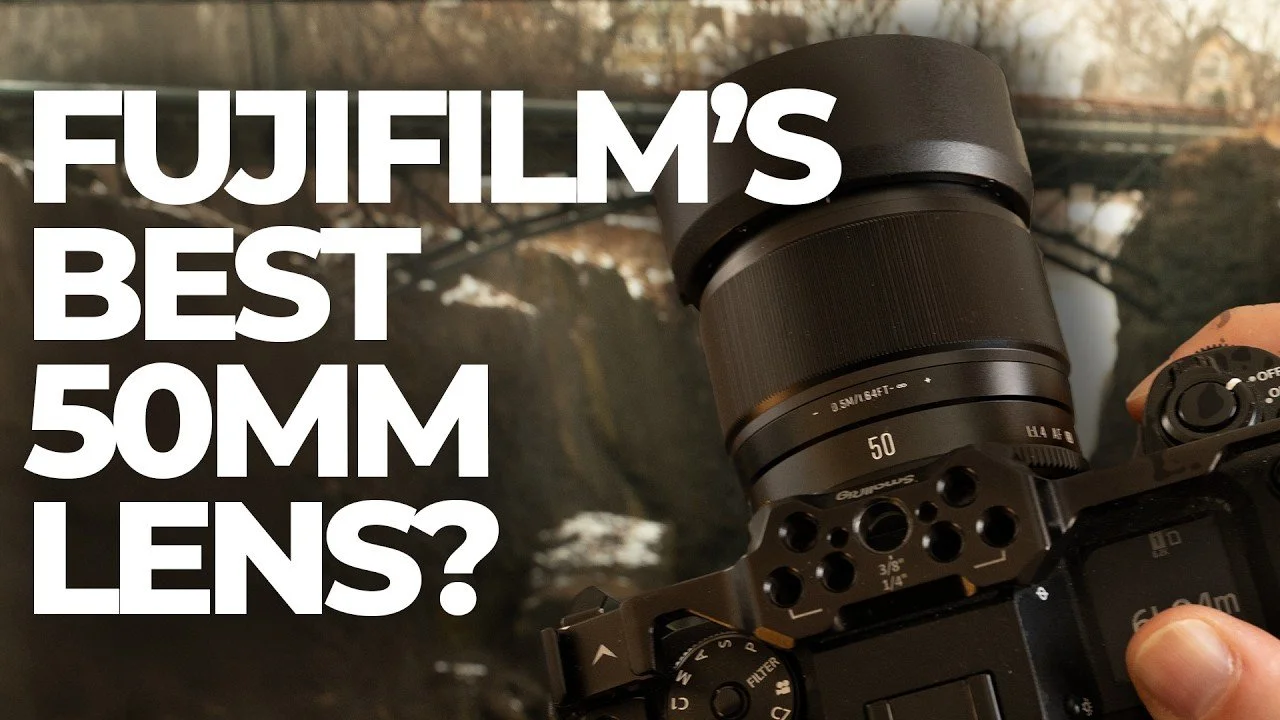
Brightin Star 50mm F1.4 AF Review for Fujifilm
Brightin Star's first autofocus lens: a sub-$240 50mm F1.4 for Fujifilm X-mount. Sharpness, fringing, portraits at Paterson Great Falls, a video autofocus test and how it compares to Fuji's own primes.
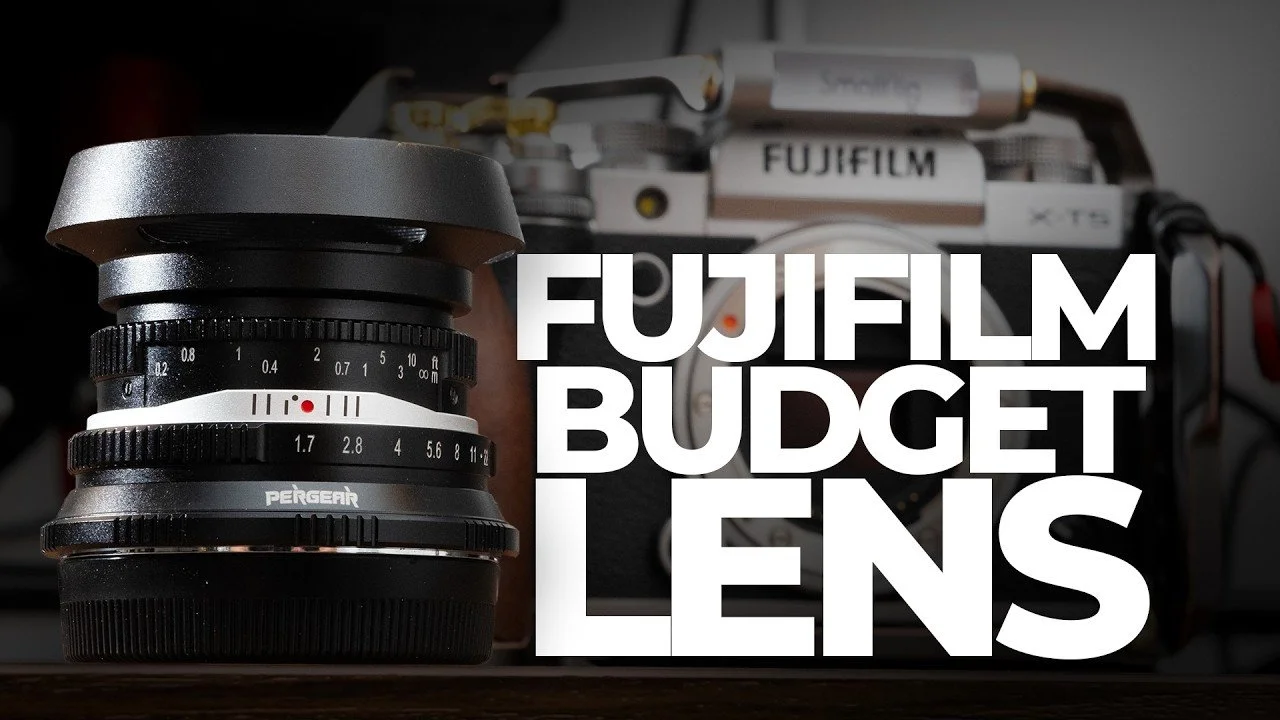
Pergear 25mm F1.7 for Fujifilm Review: Is a $65 Lens Any Good?
A $65 manual 25mm F1.7 for Fujifilm X-mount. Build, setup tips for IBIS and focus peaking, sharpness and fringing on a 40MP sensor, the big flaring problem, and how it does for video.
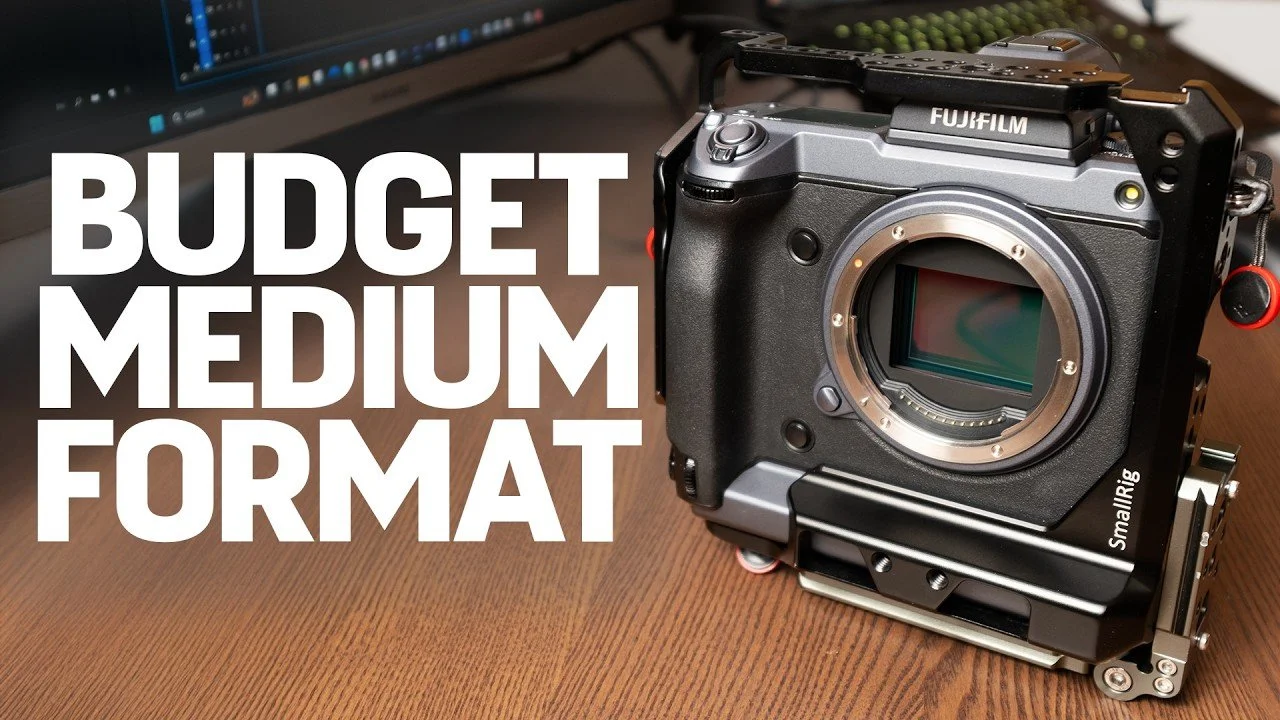
The Fujifilm GFX100: Medium Format Luxury at a Bargain Price
The original Fujifilm GFX100 launched at $10,000 and now sells used for around $2,000. 16-bit files, GF lenses, cosplay and Christmas portrait shoots, the editing workflow, video and why I'd pick it over an X100VI.
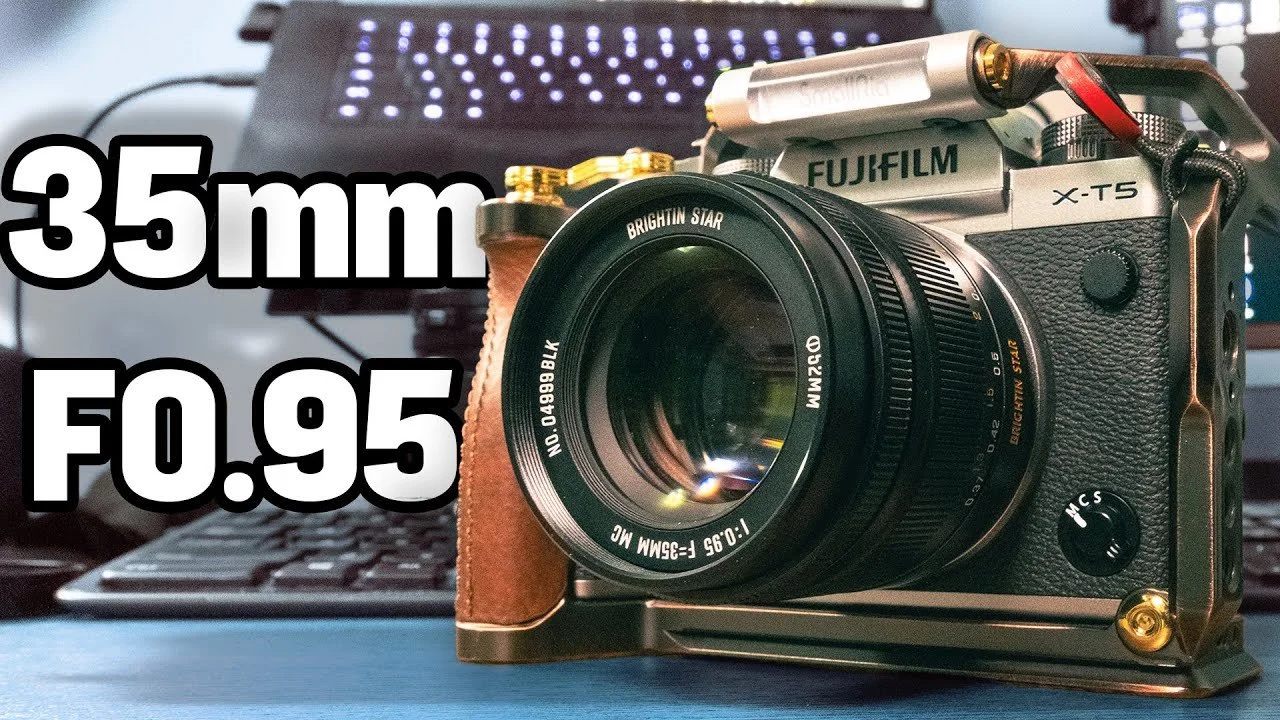
Brightin Star 35mm F0.95 for Fujifilm X-Mount Review
A sub-$200 manual 35mm F0.95 for Fujifilm X-mount, tested on the X-T5 around Hoboken. Film-like softness, resolution on 40MP, fringing and flare, video at F0.95, night bokeh and build quality.
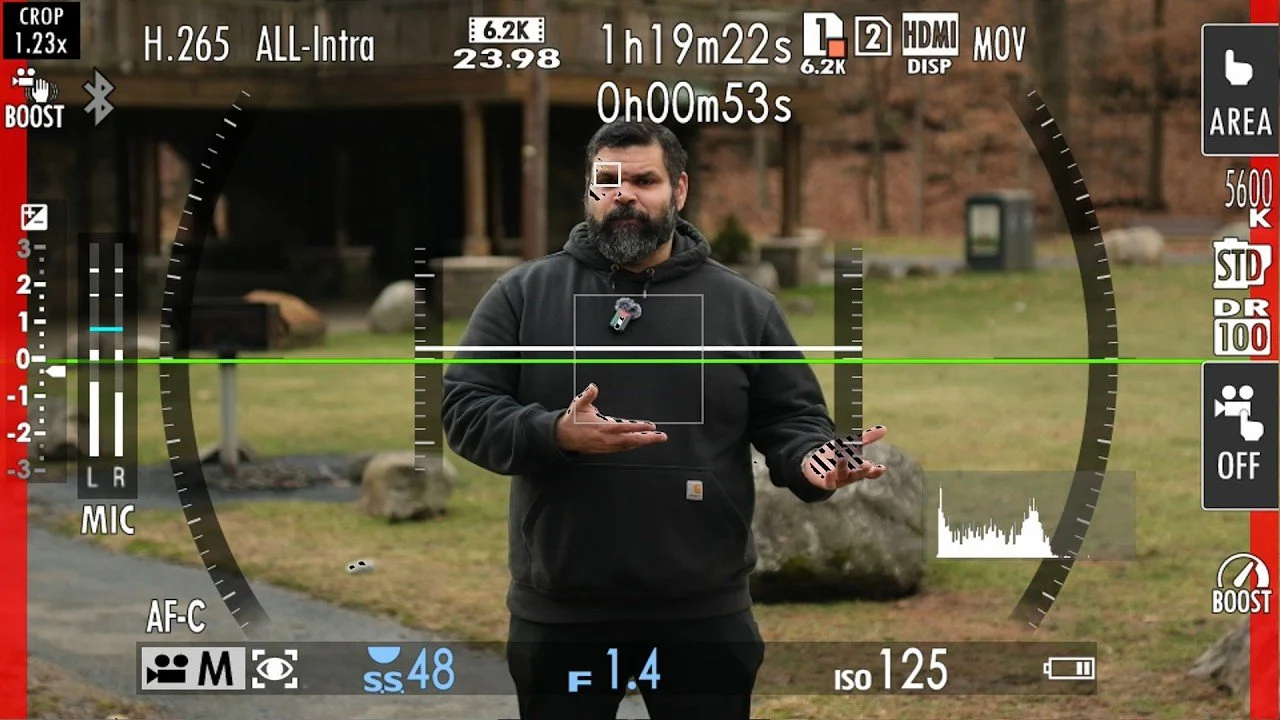
Fujifilm X-T5 Firmware 4.10 Autofocus Update Tested
Testing the Fujifilm X-T5's firmware 4.10 autofocus update on a photo walk with an adapted Canon EF 35mm and the Fuji 70-300mm with a 2x teleconverter: bird detection, tracking, wildlife video and video AF on a person.
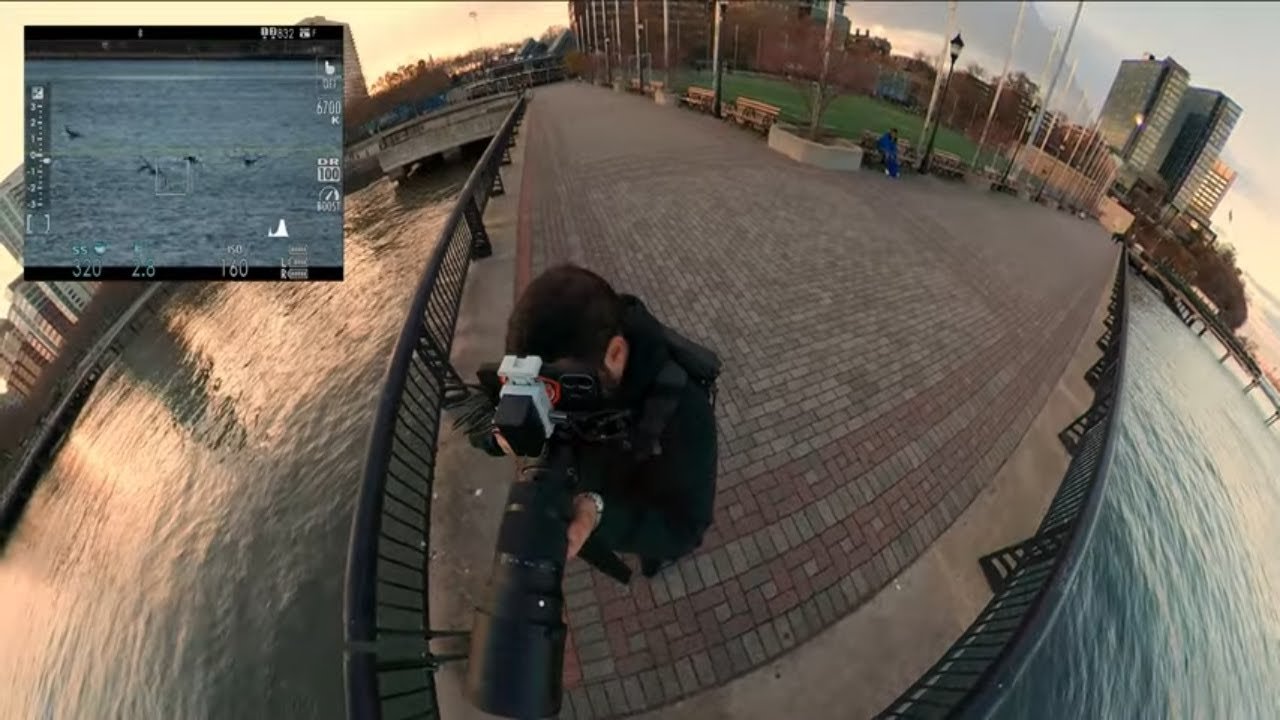
Fujifilm X-T3 Photo Walk and Long-Term Review
Six years later, a used Fujifilm X-T3 costs around $500. Why it's still a great photo and video camera, why I switched away, its limits, and why investing in skills beats chasing new gear.

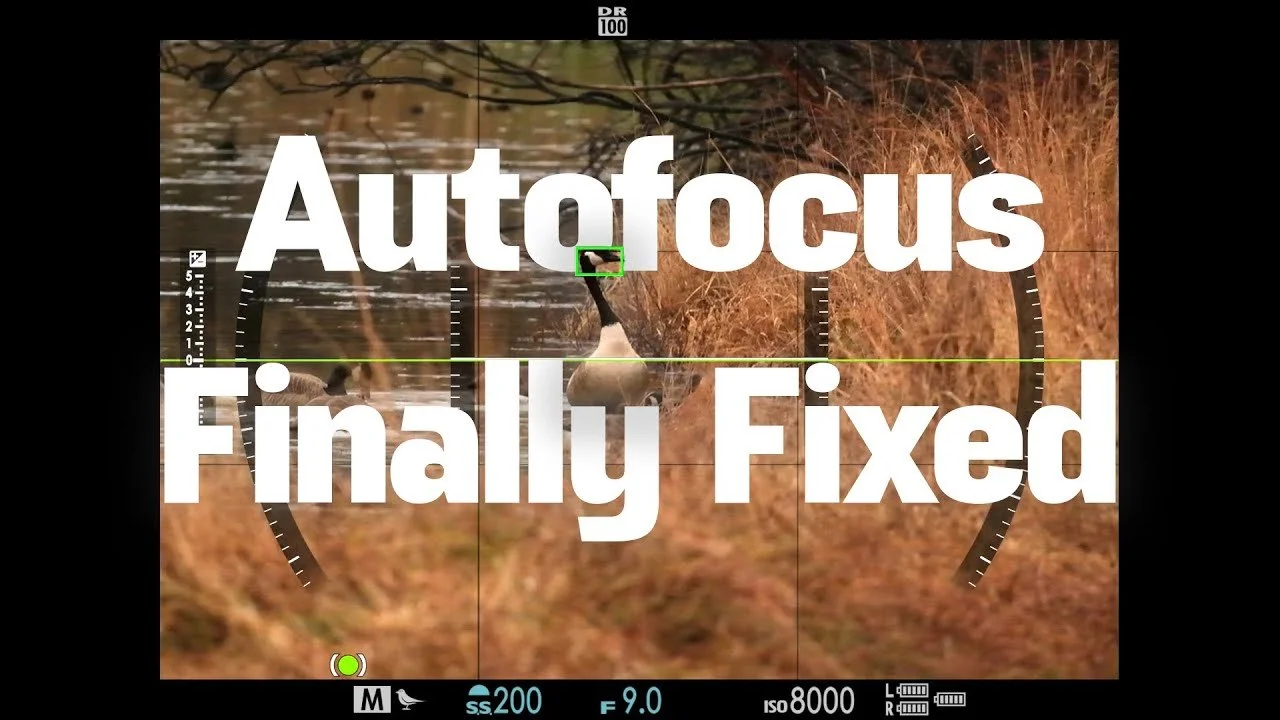
Fujifilm X-H2S Firmware 7.10 Review for Photos (Part 3)
Part 3 of my Fujifilm X-H2S firmware 7.10 tests: photo autofocus with the 150-600mm in dark, wet conditions. Bird and animal detection, IBIS at 600mm, ISO 8000 and shooting through foreground clutter.
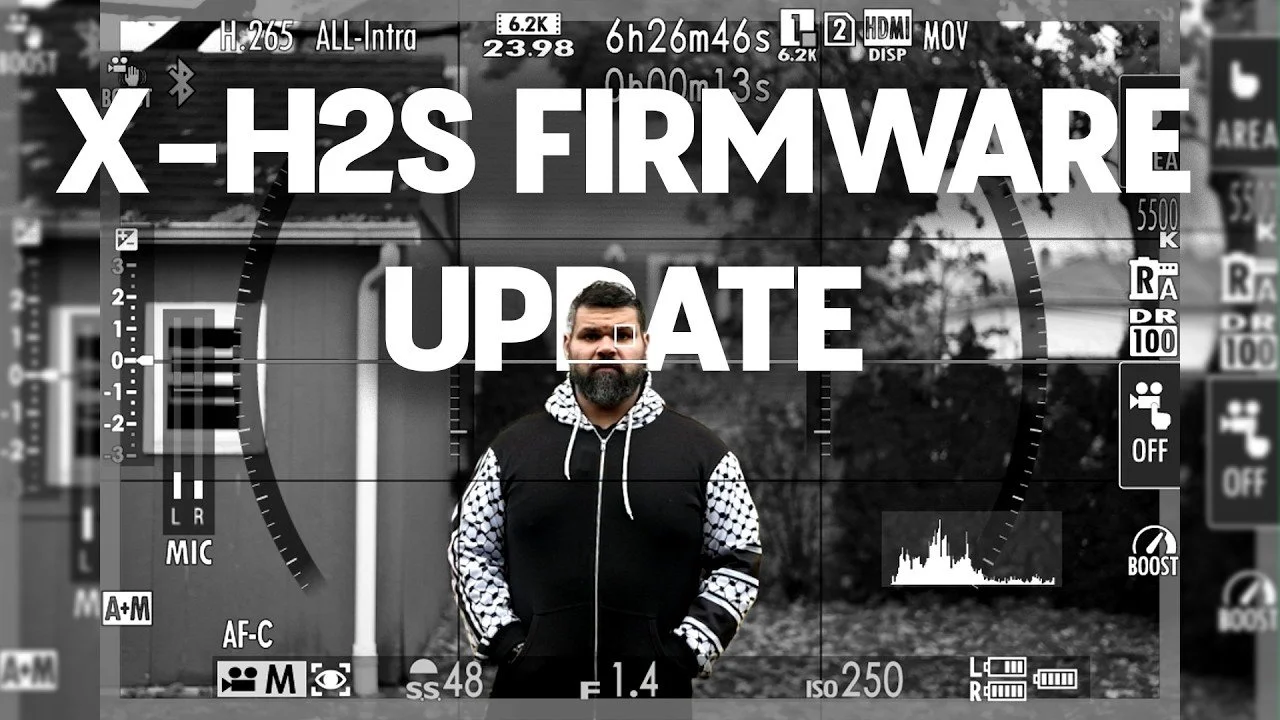
X-H2S Firmware 7.10 Video Autofocus Retest (Part 2)
Part 2 of my Fujifilm X-H2S firmware 7.10 tests: retesting video autofocus in the rain with the 50mm F1, 18mm F1.4 and 33mm F1.4, checking minimum focus distance, product handoffs and handheld tracking.
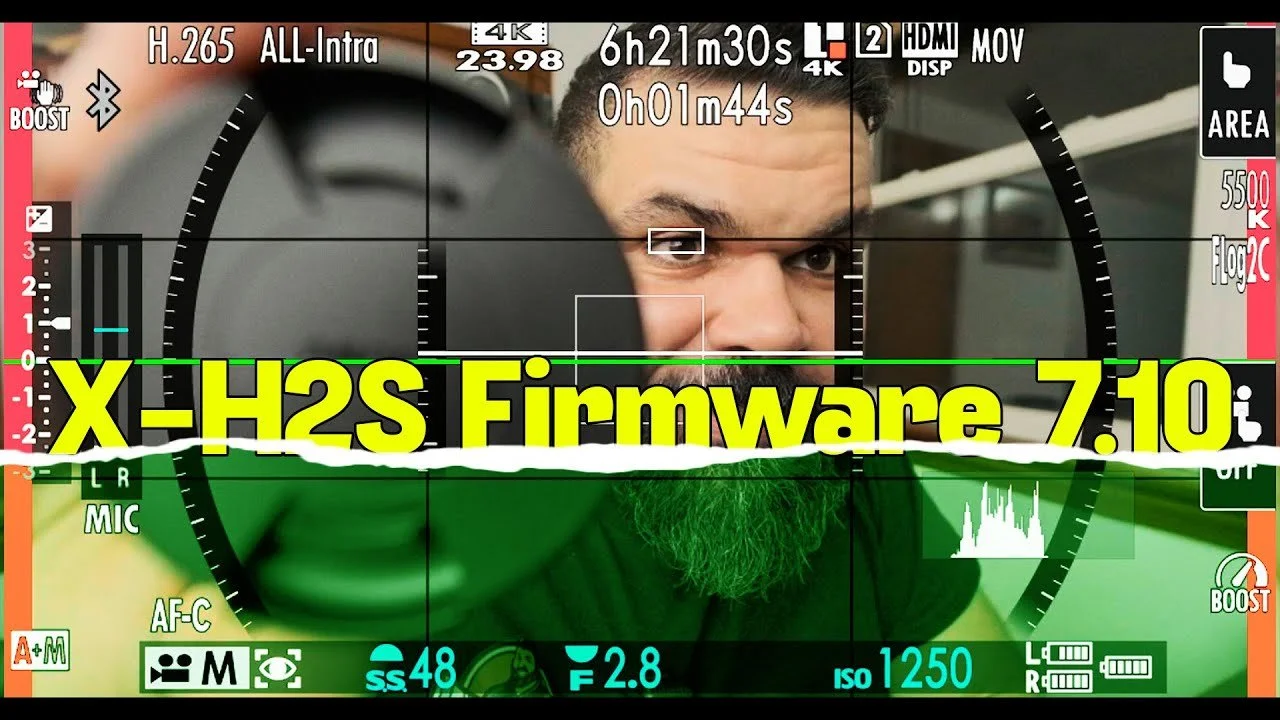
First Look: Fujifilm X-H2S Firmware 7.10 Autofocus (Part 1)
Installing Fujifilm X-H2S firmware 7.10 on launch night: what's new (F-Log2 C, timecode sync, revised AF), how to update, and first video autofocus tests with the Sigma 10-18mm and Fuji 18mm F1.4.
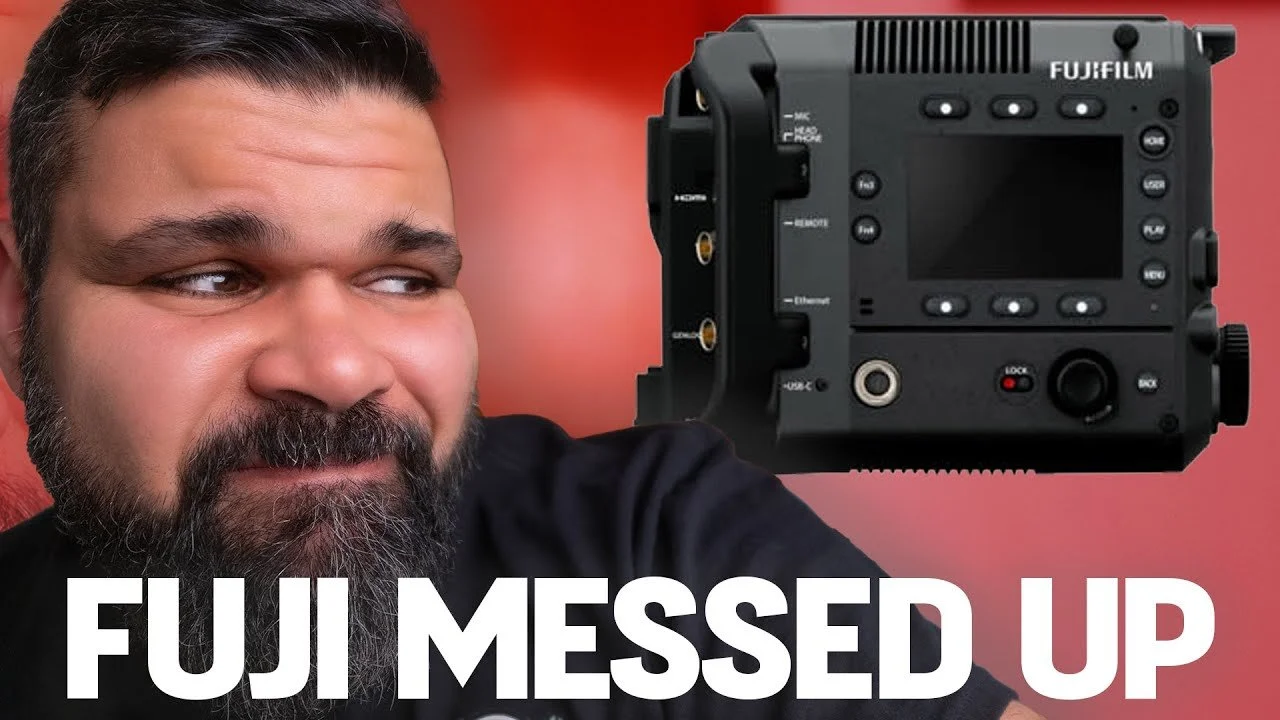
Fujifilm Made the Wrong Cinema Camera
Fujifilm's first cinema camera uses the GFX medium format sensor. Why I think X-mount video shooters needed a Super 35 box camera built on the X-H2S first, and what it should include.

Reviewing All of My Fujifilm Gear
Discover a comprehensive review of Fujifilm cameras and lenses, including the XT3, XT5, and XH2S bodies, along with popular lenses like the 16mm F1.4 and 50mm F1.0. Learn about the strengths and weaknesses of each piece of equipment, from image quality and autofocus performance to video capabilities. Get insights on adapting third-party lenses and tips for both professional and enthusiast photographers using the Fujifilm X system.

Adapting Canon FD Lenses To Fujifilm Cameras (With A Speedbooster)
In my latest exploration, I took the Canon FD 20-35mm f/3.5L lens, a vintage gem, and mounted it onto my Fujifilm XT3 using a Metabones Speed Booster. This setup brings out the nostalgic charm of vintage lenses while making them more versatile on modern mirrorless cameras.
The appeal of these old lenses lies in their character, which offers a unique, timeless look that newer lenses often lack. While they may not match the sharpness and autofocus capabilities of today’s technology, the Canon FD lenses deliver a distinctive aesthetic that many photographers find appealing, especially in a world where the cost of new equipment continues to rise.
Throughout my photo walk, I explored various scenes, from tall grass to urban settings in my hometown, capturing images that evoke memories with their film-like rendering. The Speed Booster not only enhances the lens’s performance by providing a wider field of view and an additional stop of light but also adds a layer of convenience for those who want to breathe new life into their old glass.
While there are some challenges, such as the lack of weather sealing and manual focus, the experience of using these lenses is rewarding. Whether you’re looking to save money or simply want to experiment with vintage gear, adapting Canon FD lenses to the Fujifilm XT3 with a Speed Booster is a satisfying way to achieve a classic photographic look.
If you’re interested in exploring this setup, I highly recommend giving it a try. And as always, feel free to leave any questions or suggestions for future videos in the comments. Catch you at the next one!

The Fujifilm 200mm F2 in 2024
In my latest video, I revisited one of my favorite lenses, the Fujifilm 200mm F2, which I’ve owned for nearly five years. Originally designed for sports photography, this lens offers incredible subject magnification and background compression, making it surprisingly effective for portrait work. I took it out for some portrait sessions, and the results were stunning. The 200mm F2, especially when paired with a 1.4x teleconverter, transforms everyday scenes into dramatic, high-impact images that are usually reserved for professional sports photography.
Despite its weight and size, this lens is a joy to use, delivering crisp, detailed photos even in challenging lighting conditions. If you're interested in seeing how this lens performs outside of its usual sports environment, check out the video for a detailed look at its capabilities in portrait photography. As always, feel free to leave your thoughts and suggestions in the comments.

Fujifilm X-T5 and 50mm F1 Natural Light Photoshoot
In my latest video, I dive into a portrait photoshoot using the Fujifilm X-T5 paired with the 50mm F1 lens—one of my all-time favorite setups. I’ve always appreciated the versatility of this lens, especially its ability to create stunning portraits with a slightly wider view than the typical 85mm.
During the shoot, I experimented with both natural and off-camera flash lighting, highlighting the importance of understanding your gear and the environment. This session reminded me that while modern technology is fantastic, sometimes it's refreshing to return to the basics, relying more on ambient light and less on additional equipment.
I also touched on the importance of adaptability during a shoot, especially when dealing with challenging lighting conditions. Whether you're a seasoned professional or just starting out, this video showcases how a well-chosen lens can elevate your photography, making every shot count.
If you're interested in seeing the results and learning more about my process, check out the video linked above. And as always, feel free to leave your thoughts and suggestions in the comments.

My Favorite Fujifilm Portrait Combo
The Fujifilm X-T5 and 50mm F1 are my favorite camera/lens combo to date. In this video I do a Cherry Blossom photoshoot using this combo and go over its strengths, weaknesses, and compare it to other setups.

Fujifilm’s Best Portrait Lens
Fujifilm has lenses that are staples in every shooter’s camera bag. Some are so popular that even Non-Fujifilm shooters know about them. One lens whose superiority goes unsung is the Fujifilm 50mm F1. Ridiculed by reviewers since day one, the reality is that it stands on its own in both Fuji’s lens lineup and across all camera brands as one of the lightest and fastest portrait lenses on the market today.

Fujifilm X-T5 Long-Term Review
The Fujifilm X-T5 is the true successor to my all-time favorite camera, the Fujifilm X-T3. In this video we see how the classic ergonomics and dial mesh with the new 40 megapixel sensor and autofocus algorithms to make what may very well be the last photo camera I ever buy. Join me and my friend Babs in the Baltimore Harbor for this video as we put the X-T5 through its paces with the newer linear motor lenses along with the legacy 16mm F1.4 lens.

Fujifilm X-T200 Long Term Review
The Fujifilm X-T200 was the successor to Fujifilm’s cult favorite, the X-T100 and sported a screen that is still larger, brighter, and sharper than those found on any other camera to date. It was their attempt at coaxing cell phone photographers to buy their first camera by making it as user-friendly as possible. But did it hold up the test of time?

The Fujifilm 200mm F2's One Flaw: Its $200 Lens Hood
The Fujifilm 200mm F2 is my favorite lens of all time, but its hood has a weak point: a small plastic wedge holding the metal locking bracket. Three years of use, what broke and how Fuji could fix it.