

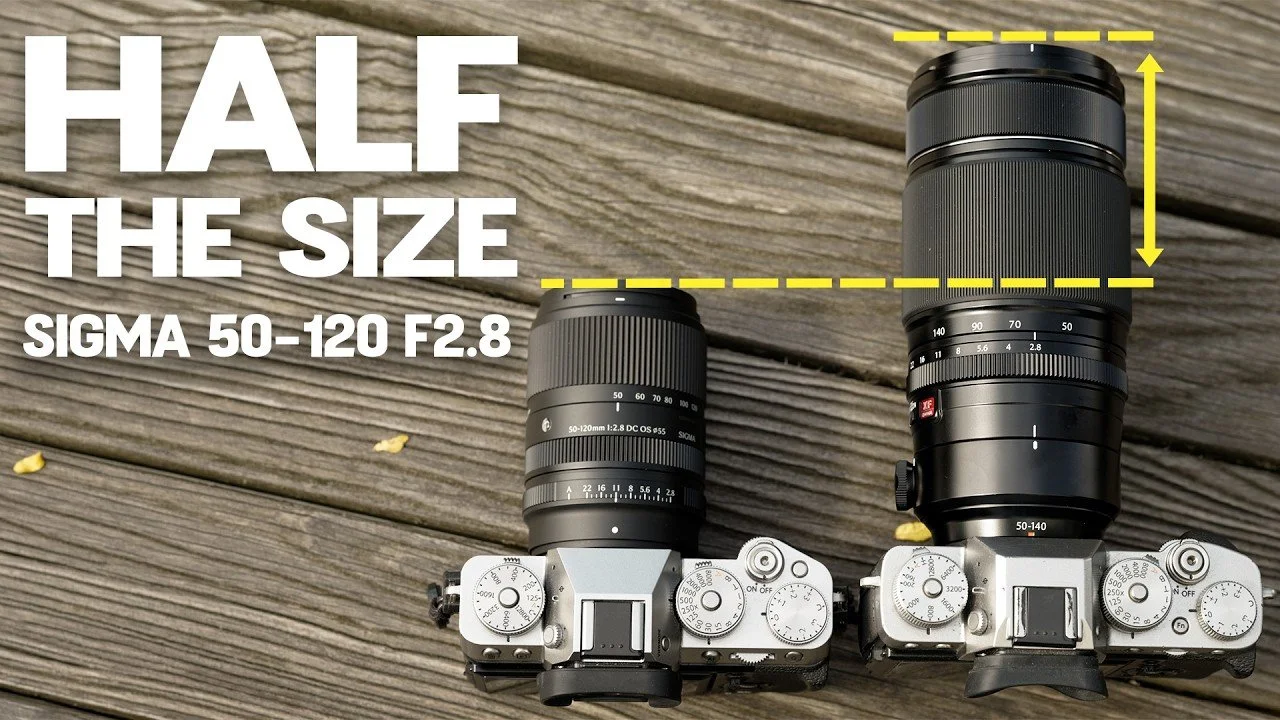
I Shot the 50-140 for 8 Years. Can This Tiny Sigma Replace It?
After eight years on the Fujifilm 50-140mm, can Sigma's tiny 50-120mm F2.8 replace it? Portraits in Philly, a nor'easter, stabilization, the stadium lens rule, and how Sigma's compact F2.8 trinity stacks up against Fuji and Canon.
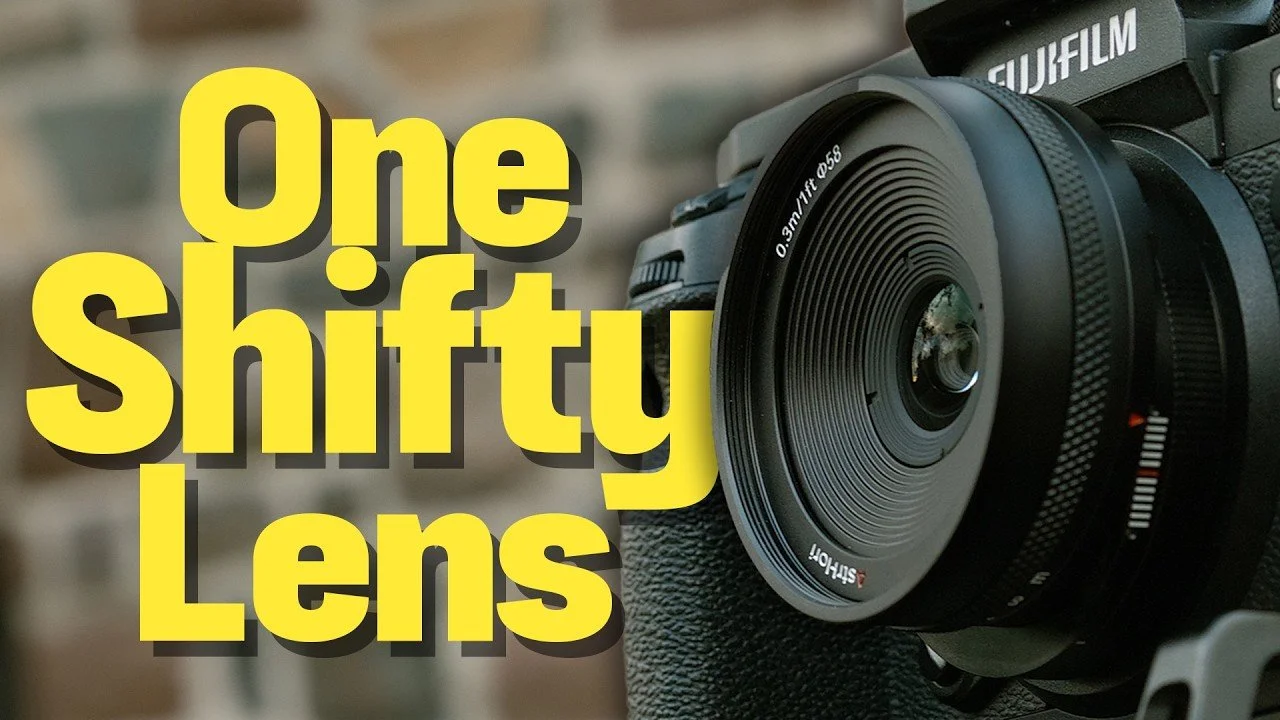
This Budget Shift-Only Lens Fixes Your Building Photos
The AstrHori 18mm F5.6 is a $120 shift-only lens for Fujifilm that keeps buildings and trees from leaning backward. Here's how it works, how to set up your camera, and who it's for.
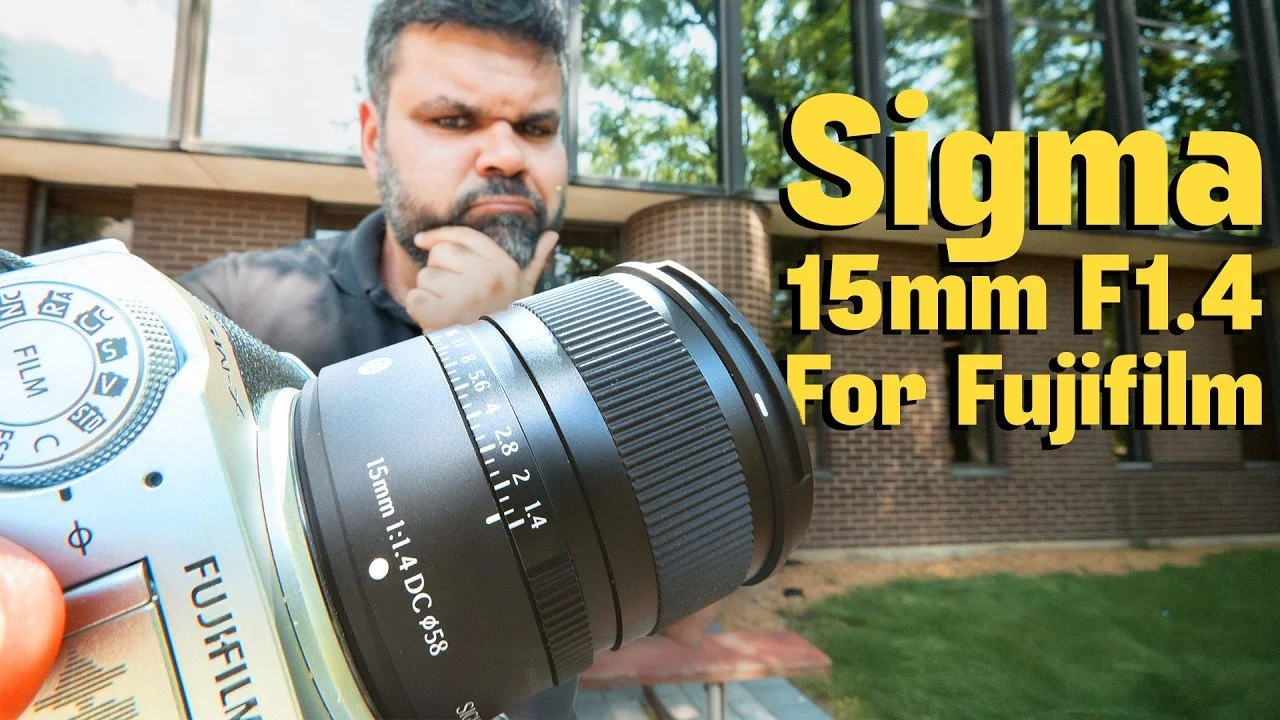
Is Sigma's 15mm F1.4 for Fujifilm Any Good?
Sigma's new 15mm F1.4 Contemporary replaces the 16mm with half the size and weight, an aperture ring and better weather sealing. I put it to work on a real gimbal shoot to see if it's worth the upgrade.
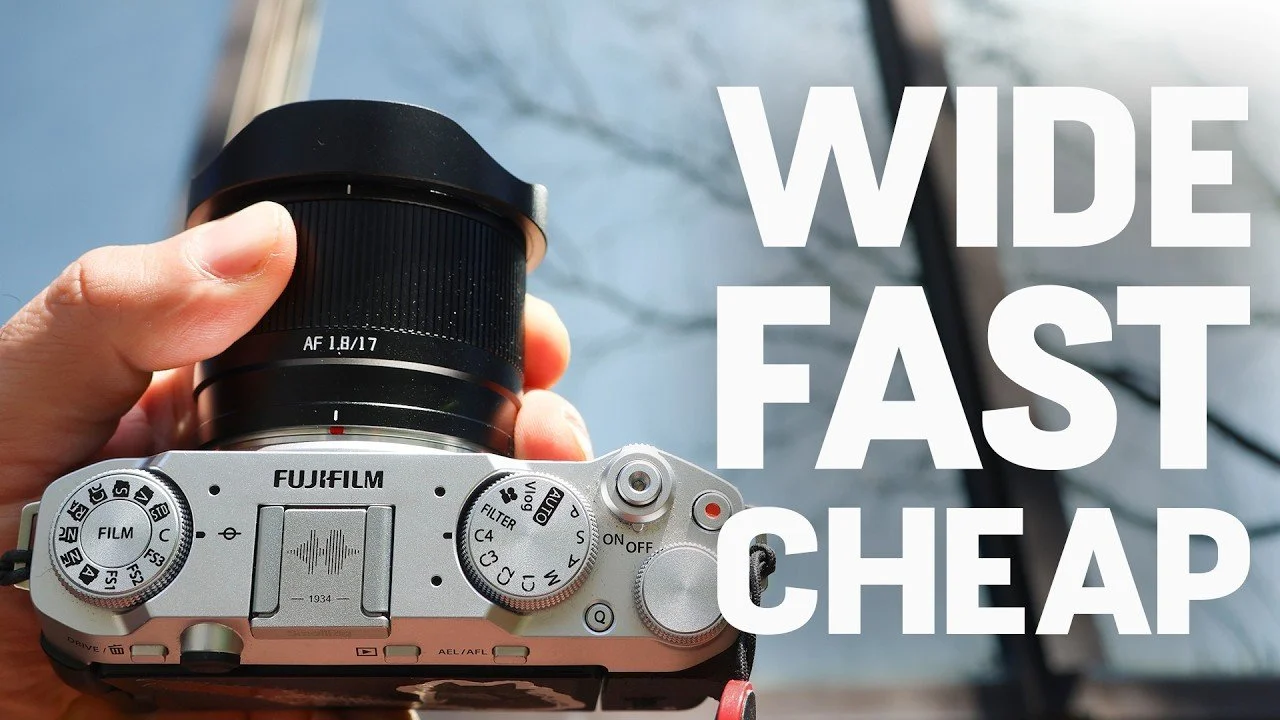
TTArtisan 17mm F1.8 Review for Fujifilm
Can a $149 lens compete with the $1,200 Fujifilm 18mm F1.4? My review of the TTArtisan 17mm F1.8: fast, quiet autofocus, solid build and image quality that's surprisingly close to the Fuji.
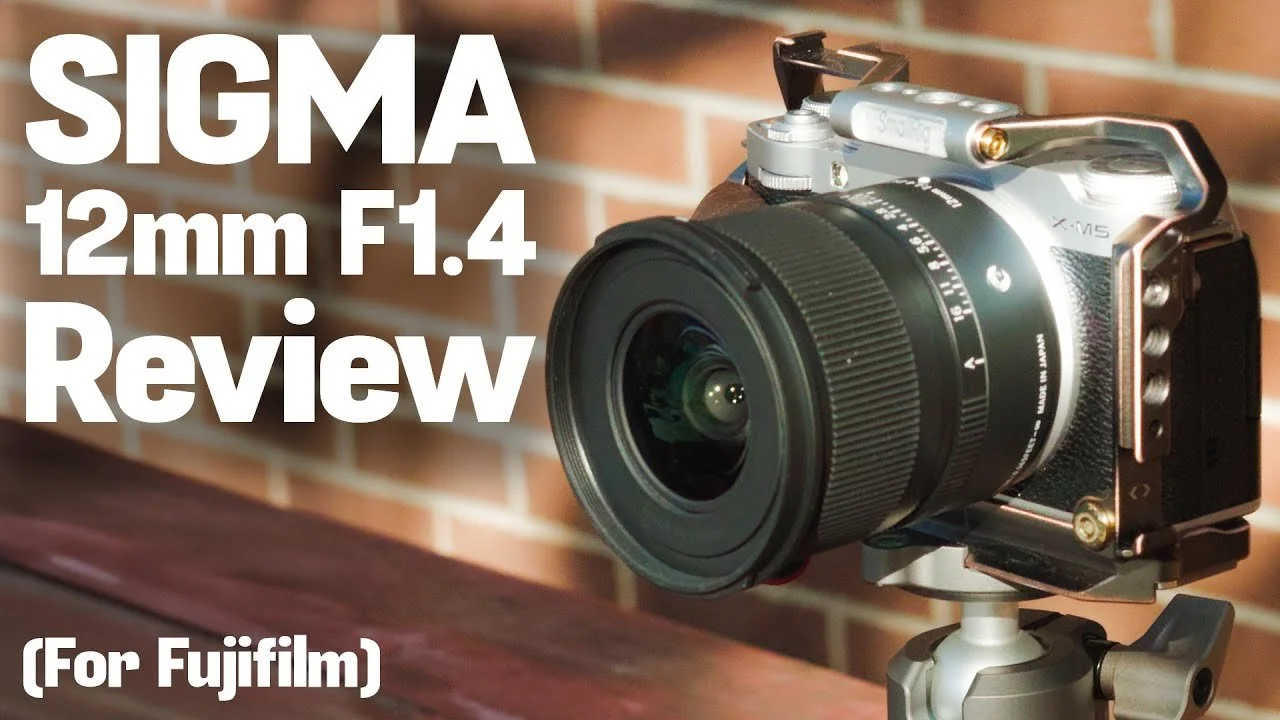
The Best Ultrawide Lens for Fujifilm Cameras: Sigma 12mm F1.4 Review
After five weeks with the Sigma 12mm F1.4, I bought my own copy. Real background blur on an APS-C ultra-wide, weather sealing, great flare control and new creative rigs make it my new YouTube lens.
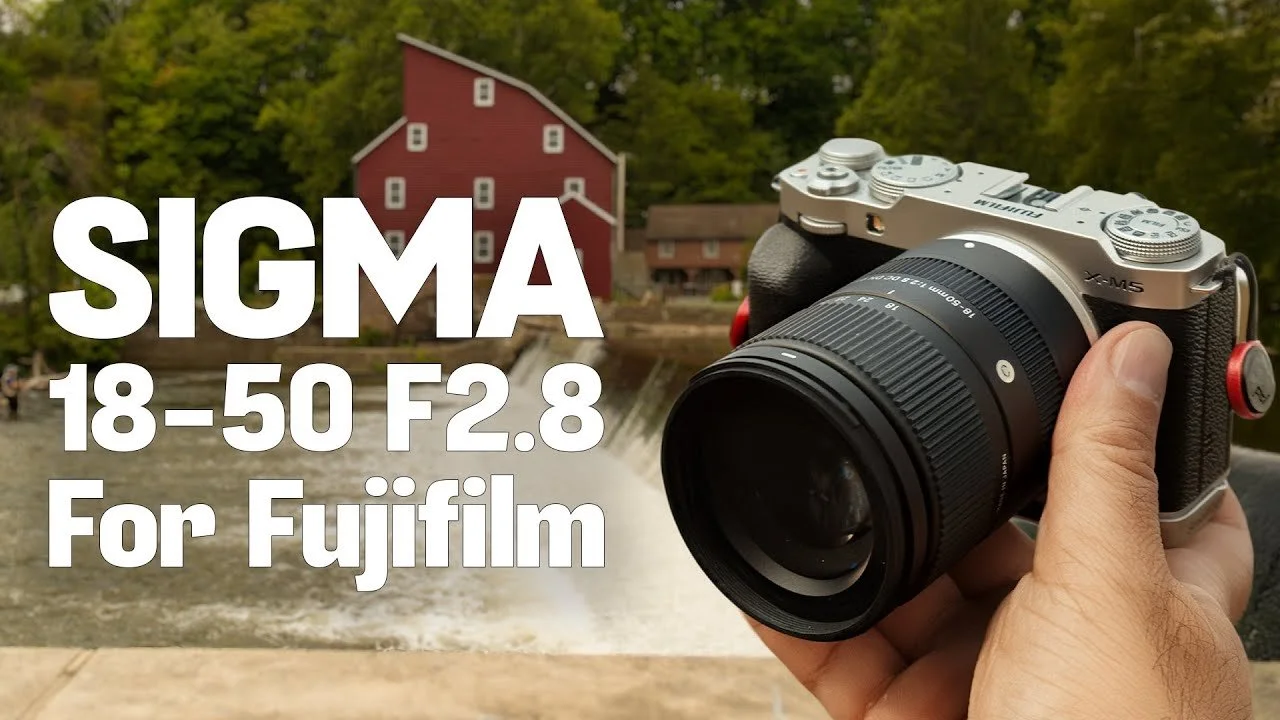
Did Sigma Make a Better Fujifilm Lens Than Fujifilm? Sigma 18-50mm F2.8 Review
A month with the Sigma 18-50mm F2.8 on the Fujifilm X-M5, from Vermont to New Jersey. It's tiny, sharp, F2.8 throughout and nailed focus every time. I can barely find anything to knock.

Cheap and Good? The 7Artisans 75mm F1.4 Review
The 7Artisans 75mm F1.4 is a sub-$200, all-metal manual focus portrait lens for Canon RF. A little soft wide open, but great for video, small and a real value on a locked mount.
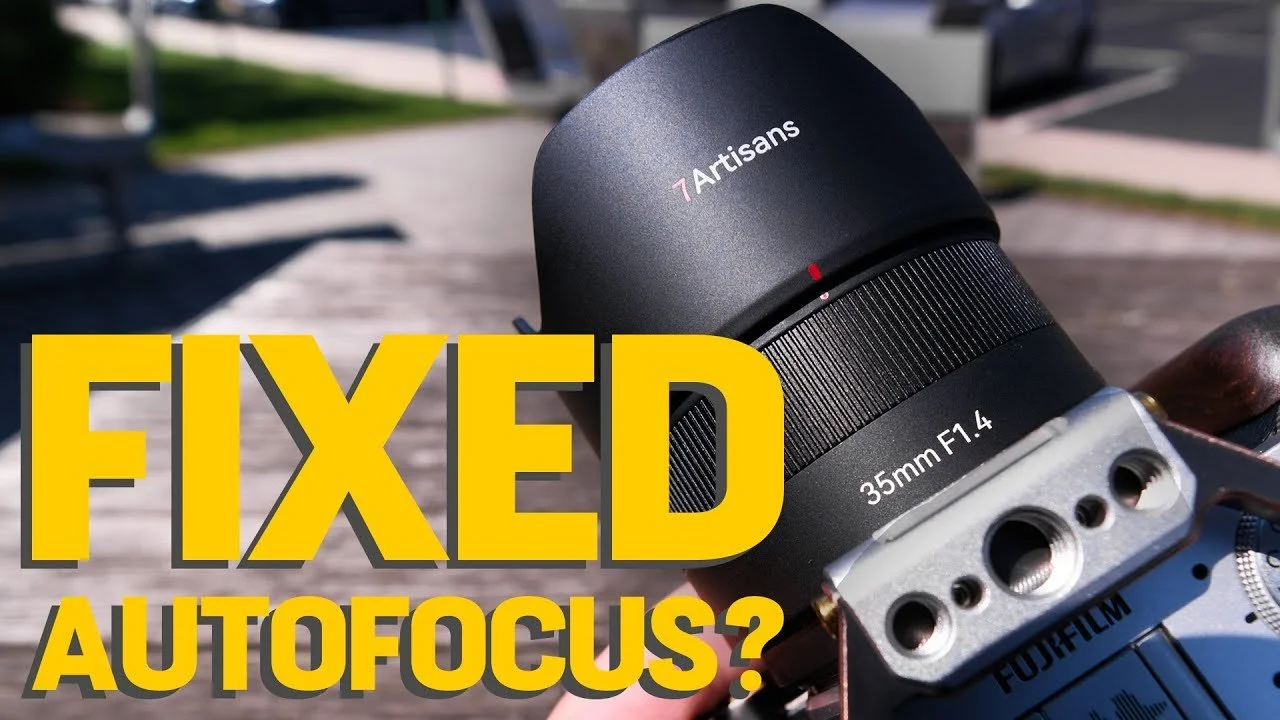
Take 2: 7Artisans 35mm F1.4 for Fujifilm Autofocus Update
An update on the 7Artisans 35mm F1.4 for Fujifilm: two months chasing a stopped-down autofocus bug, what caused it, what the Mark II fix does and doesn't solve, and why their service impressed me.
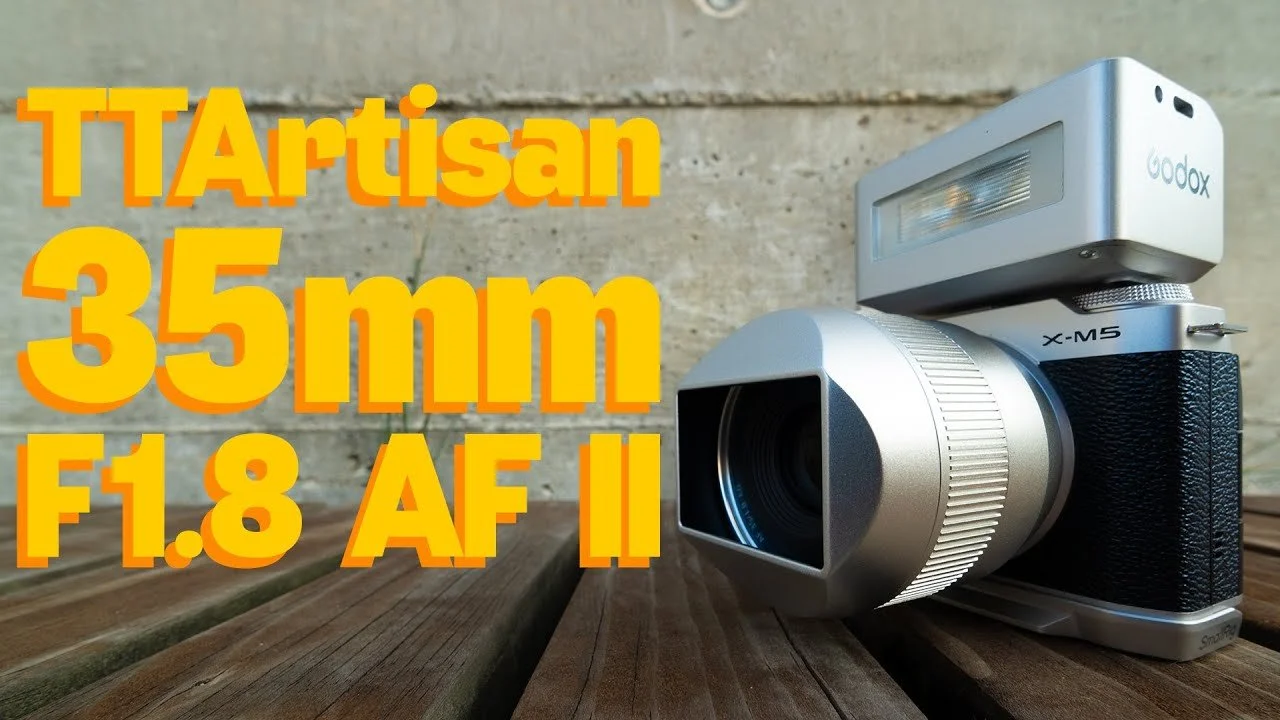
TTArtisan 35mm F1.8 AF II for Fujifilm Review
Six weeks with the $125 TTArtisan 35mm F1.8 AF II on Fujifilm, and I couldn't find a real flaw. Sharp, quiet autofocus, no fringing and a solid build make it the budget 50mm-equivalent to beat.
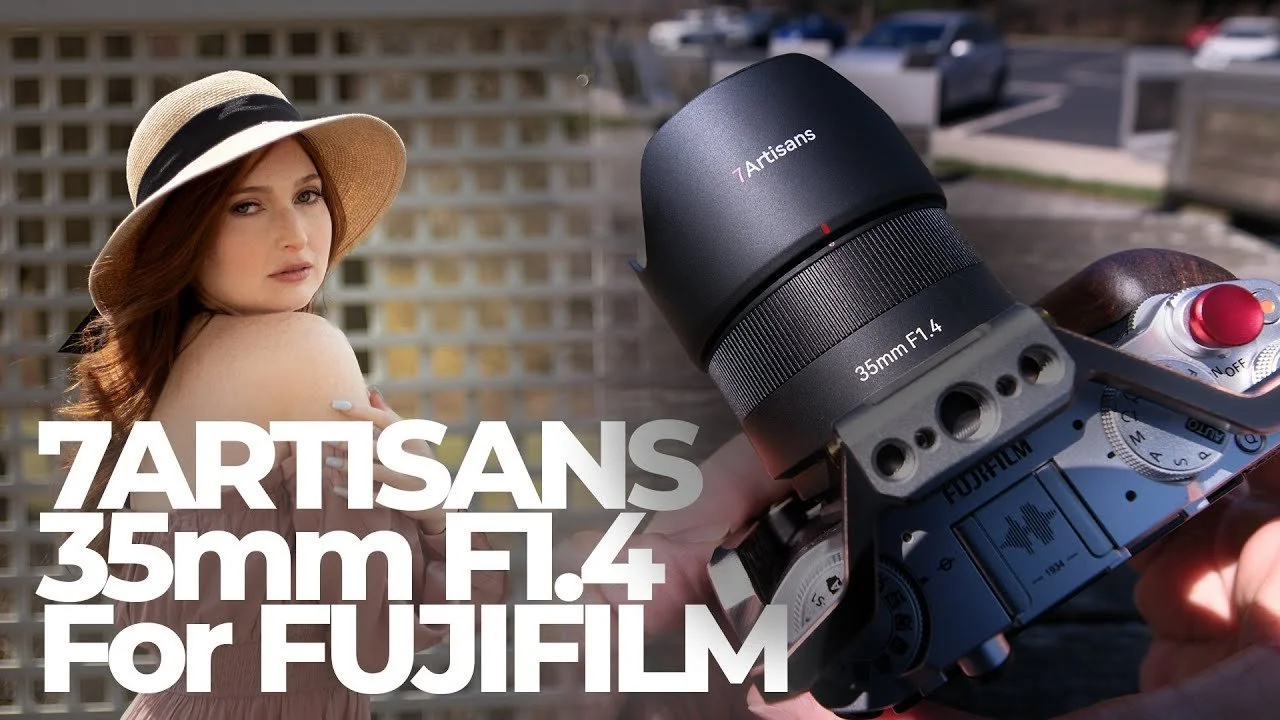
7Artisans 35mm F1.4 for Fujifilm Review
A $169 autofocus 35mm F1.4 for Fujifilm X-mount. Image quality, size and balance on small Fuji bodies, how it compares to the Fuji 33mm F1.4, and the stopped-down autofocus issue on my pre-production copy.
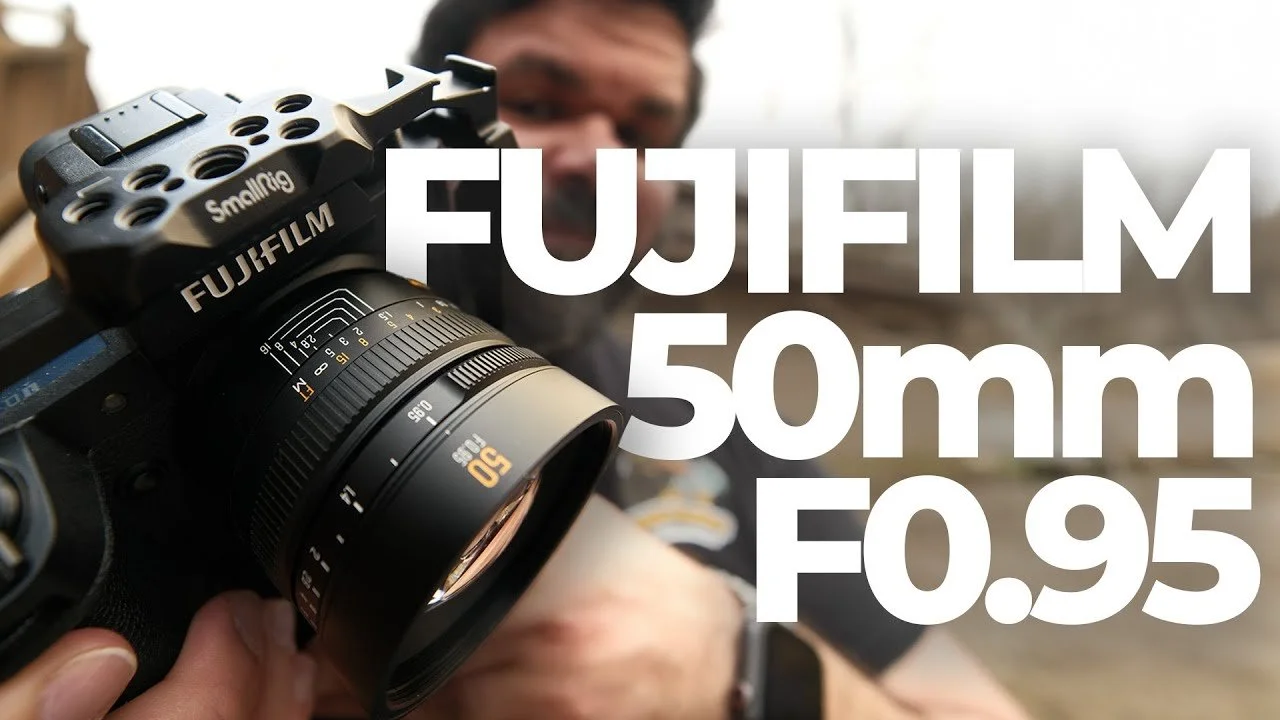
Brightin Star 50mm F0.95 for Fujifilm Review
A $220 manual-focus 50mm F0.95 for Fujifilm that's faster than Fuji's 50mm F1. Build, handling, chromatic aberration, a portrait session at Paterson Great Falls and a video test.
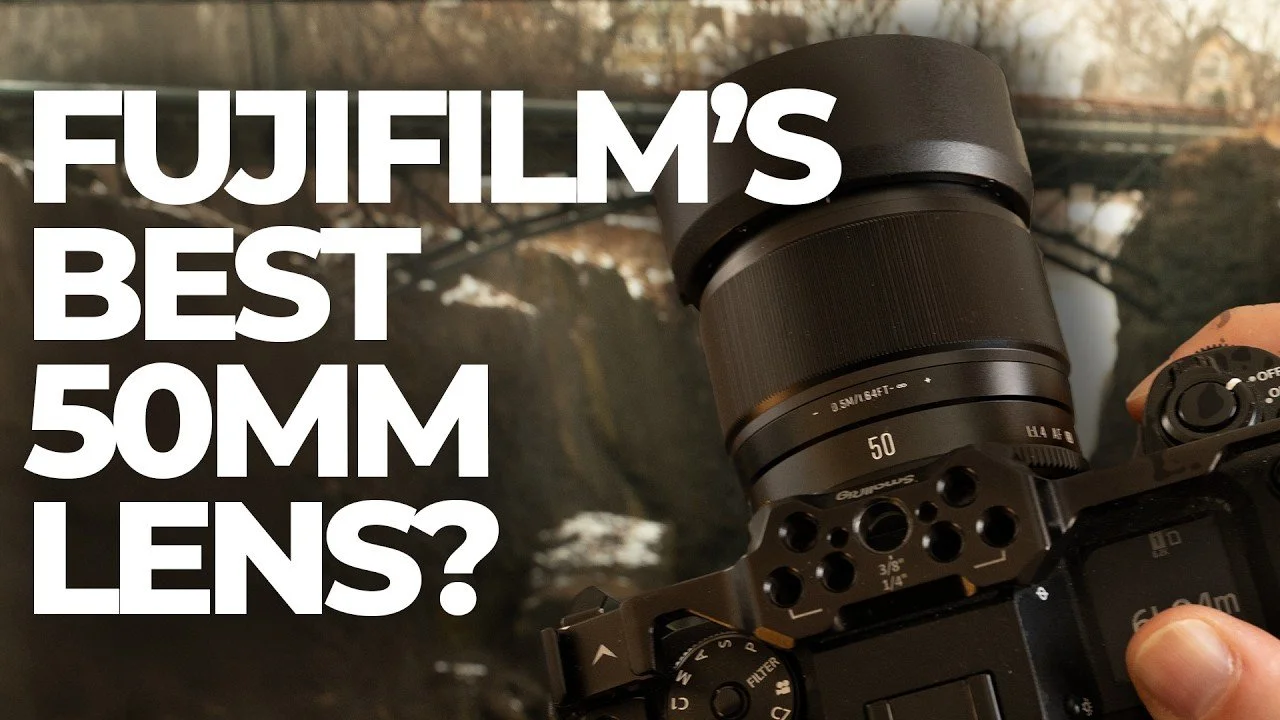
Brightin Star 50mm F1.4 AF Review for Fujifilm
Brightin Star's first autofocus lens: a sub-$240 50mm F1.4 for Fujifilm X-mount. Sharpness, fringing, portraits at Paterson Great Falls, a video autofocus test and how it compares to Fuji's own primes.
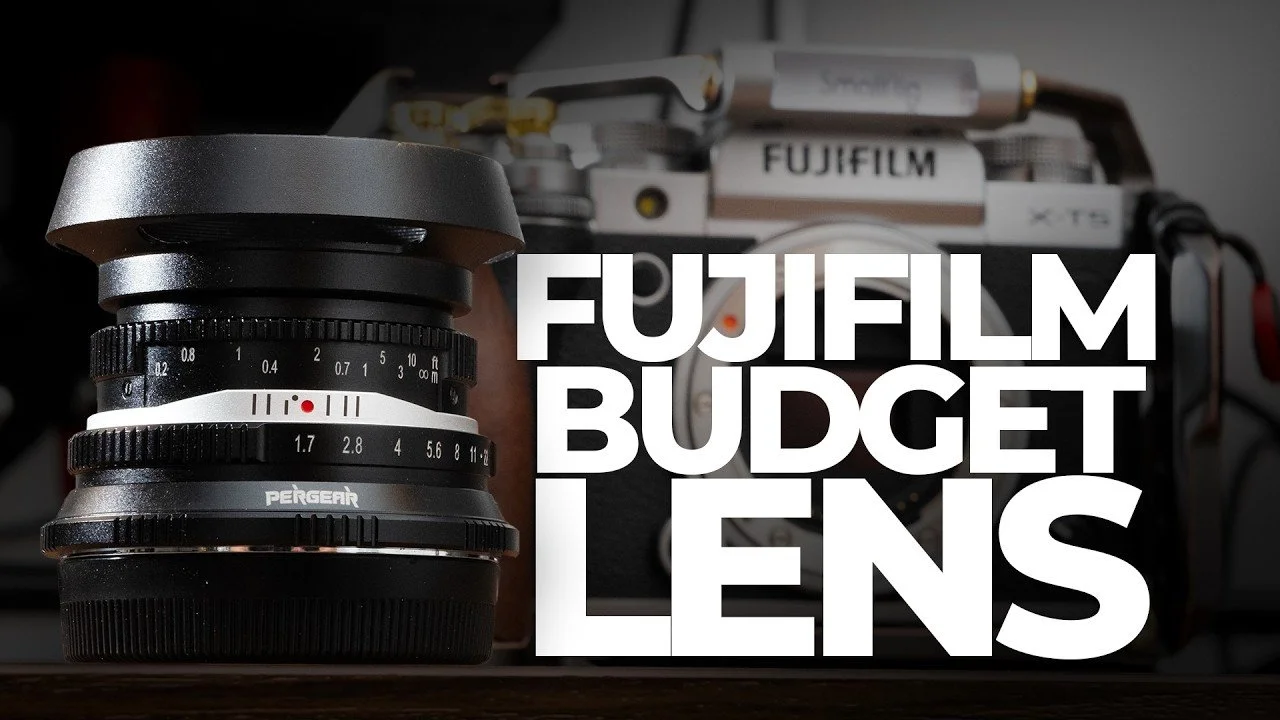
Pergear 25mm F1.7 for Fujifilm Review: Is a $65 Lens Any Good?
A $65 manual 25mm F1.7 for Fujifilm X-mount. Build, setup tips for IBIS and focus peaking, sharpness and fringing on a 40MP sensor, the big flaring problem, and how it does for video.
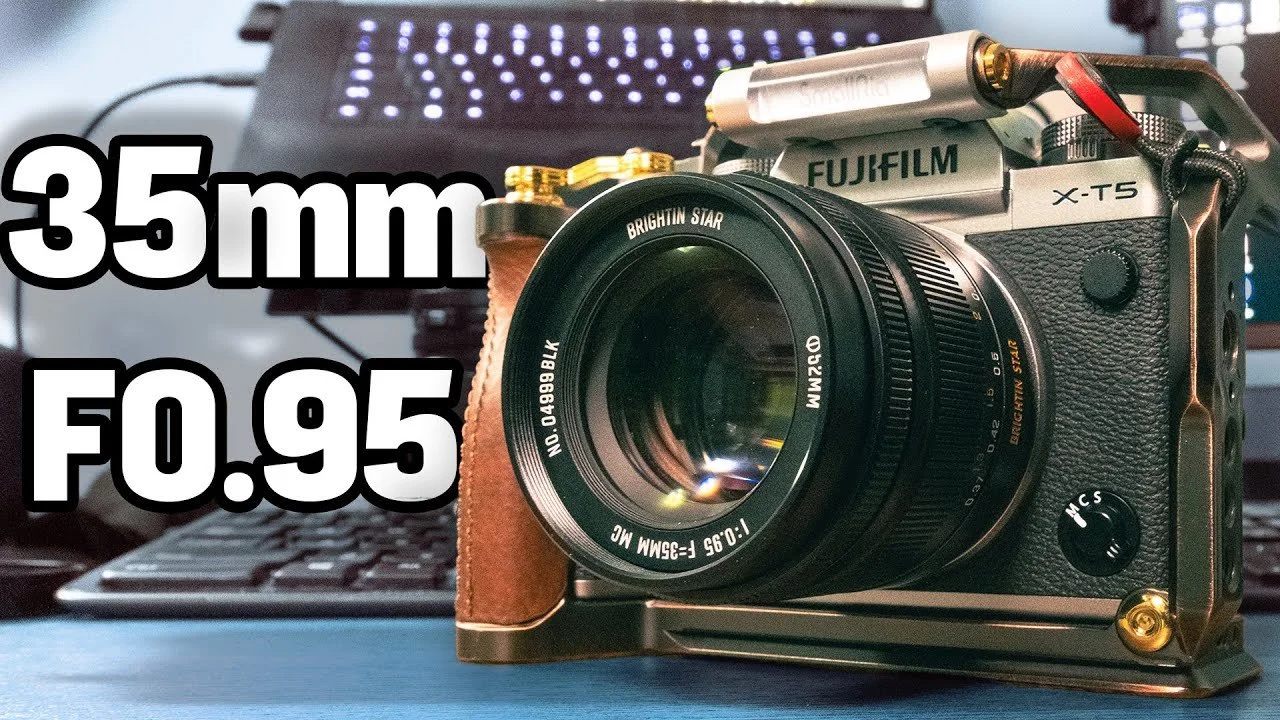
Brightin Star 35mm F0.95 for Fujifilm X-Mount Review
A sub-$200 manual 35mm F0.95 for Fujifilm X-mount, tested on the X-T5 around Hoboken. Film-like softness, resolution on 40MP, fringing and flare, video at F0.95, night bokeh and build quality.


The Fujifilm 200mm F2 in 2024
In my latest video, I revisited one of my favorite lenses, the Fujifilm 200mm F2, which I’ve owned for nearly five years. Originally designed for sports photography, this lens offers incredible subject magnification and background compression, making it surprisingly effective for portrait work. I took it out for some portrait sessions, and the results were stunning. The 200mm F2, especially when paired with a 1.4x teleconverter, transforms everyday scenes into dramatic, high-impact images that are usually reserved for professional sports photography.
Despite its weight and size, this lens is a joy to use, delivering crisp, detailed photos even in challenging lighting conditions. If you're interested in seeing how this lens performs outside of its usual sports environment, check out the video for a detailed look at its capabilities in portrait photography. As always, feel free to leave your thoughts and suggestions in the comments.

Taking The Canon 24-105mm F2.8L For A Spin: A Real World Test
Blog Post: The Evolution of Gear Reviews and the Canon 24-105mm f/2.8L
In a landscape saturated with gear reviews, it's easy to lose sight of why many of us started creating content. Initially, gear videos weren't the goal; they became a necessity after navigating countless purchases and the dream of turning a passion into a profession. This context sets the stage for my review of the Canon 24-105mm f/2.8L, a lens that breaks away from the monotony of gear talk because it genuinely solves long-standing problems for professionals.
For years, the Canon 24-105mm focal length has been synonymous with versatility, but it often left photographers and videographers wanting more, especially in low light. The original f/4 version, while functional, lacked the light-gathering capability needed for more challenging environments. Fast forward to today, Canon has redefined this focal range with the 24-105mm f/2.8L, a lens that finally offers the best of both worlds—versatility and light performance.
What sets this lens apart? It’s not just the extra stop of light, but how it impacts the workflow of professionals. For event photographers and videographers, this lens minimizes the need to constantly switch between lenses, streamlining the process and allowing for greater focus on capturing the moment. Whether you're double-slinging cameras at a wedding or covering dynamic sports events like Strongman competitions, this lens adapts effortlessly.
For photographers, the lens addresses the long-standing issue of focal length overlap in the classic trinity setup (24-70mm, 70-200mm). The 24-105mm fills this gap, making it possible to cover a broader range without the need for multiple lenses. This efficiency is particularly valuable in tight quarters, where swapping lenses can be cumbersome and time-consuming.
For videographers, the 24-105mm f/2.8L is a game-changer. Its versatility allows for seamless transitions between wide and medium telephoto shots, even in challenging shooting conditions. When paired with a high-resolution camera like the Canon R5C, the lens can effectively cover an even broader range with digital cropping, making it an indispensable tool for event coverage.
Despite its larger size and weight compared to the 24-70mm, the benefits far outweigh these minor inconveniences. The lens’s construction is a testament to Canon’s commitment to pushing the boundaries of what's possible, offering a lens that meets the needs of both photographers and videographers without compromise.
In conclusion, the Canon 24-105mm f/2.8L is more than just an incremental upgrade; it's a lens that could very well redefine the standard kit for professionals. Whether you’re a seasoned photographer, a budding videographer, or somewhere in between, this lens offers a compelling reason to reconsider your go-to gear setup. As we move into an era where AI and innovative lens designs are becoming the norm, Canon is leading the charge with tools like this that genuinely enhance the creative process.

Fujifilm’s Best Portrait Lens
Fujifilm has lenses that are staples in every shooter’s camera bag. Some are so popular that even Non-Fujifilm shooters know about them. One lens whose superiority goes unsung is the Fujifilm 50mm F1. Ridiculed by reviewers since day one, the reality is that it stands on its own in both Fuji’s lens lineup and across all camera brands as one of the lightest and fastest portrait lenses on the market today.