

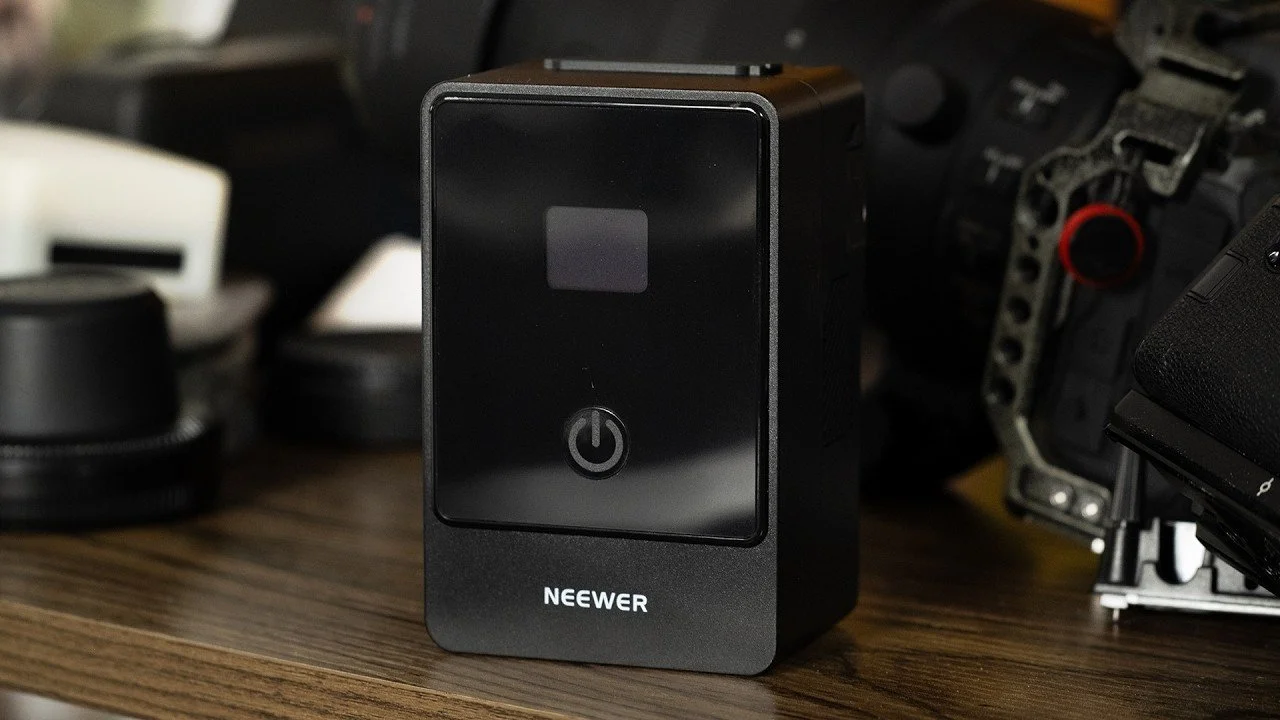
NEEWER Perfected the Mini V-Mount Camera Rig
The NEEWER PS099E 99Wh V-mount battery puts its USB-C port on the side, and the PS015 plate balances my Canon R5 C rig and frees up the screen. Why they replaced my SmallRig setup and older V-mounts.

Taking The Canon 24-105mm F2.8L For A Spin: A Real World Test
Blog Post: The Evolution of Gear Reviews and the Canon 24-105mm f/2.8L
In a landscape saturated with gear reviews, it's easy to lose sight of why many of us started creating content. Initially, gear videos weren't the goal; they became a necessity after navigating countless purchases and the dream of turning a passion into a profession. This context sets the stage for my review of the Canon 24-105mm f/2.8L, a lens that breaks away from the monotony of gear talk because it genuinely solves long-standing problems for professionals.
For years, the Canon 24-105mm focal length has been synonymous with versatility, but it often left photographers and videographers wanting more, especially in low light. The original f/4 version, while functional, lacked the light-gathering capability needed for more challenging environments. Fast forward to today, Canon has redefined this focal range with the 24-105mm f/2.8L, a lens that finally offers the best of both worlds—versatility and light performance.
What sets this lens apart? It’s not just the extra stop of light, but how it impacts the workflow of professionals. For event photographers and videographers, this lens minimizes the need to constantly switch between lenses, streamlining the process and allowing for greater focus on capturing the moment. Whether you're double-slinging cameras at a wedding or covering dynamic sports events like Strongman competitions, this lens adapts effortlessly.
For photographers, the lens addresses the long-standing issue of focal length overlap in the classic trinity setup (24-70mm, 70-200mm). The 24-105mm fills this gap, making it possible to cover a broader range without the need for multiple lenses. This efficiency is particularly valuable in tight quarters, where swapping lenses can be cumbersome and time-consuming.
For videographers, the 24-105mm f/2.8L is a game-changer. Its versatility allows for seamless transitions between wide and medium telephoto shots, even in challenging shooting conditions. When paired with a high-resolution camera like the Canon R5C, the lens can effectively cover an even broader range with digital cropping, making it an indispensable tool for event coverage.
Despite its larger size and weight compared to the 24-70mm, the benefits far outweigh these minor inconveniences. The lens’s construction is a testament to Canon’s commitment to pushing the boundaries of what's possible, offering a lens that meets the needs of both photographers and videographers without compromise.
In conclusion, the Canon 24-105mm f/2.8L is more than just an incremental upgrade; it's a lens that could very well redefine the standard kit for professionals. Whether you’re a seasoned photographer, a budding videographer, or somewhere in between, this lens offers a compelling reason to reconsider your go-to gear setup. As we move into an era where AI and innovative lens designs are becoming the norm, Canon is leading the charge with tools like this that genuinely enhance the creative process.
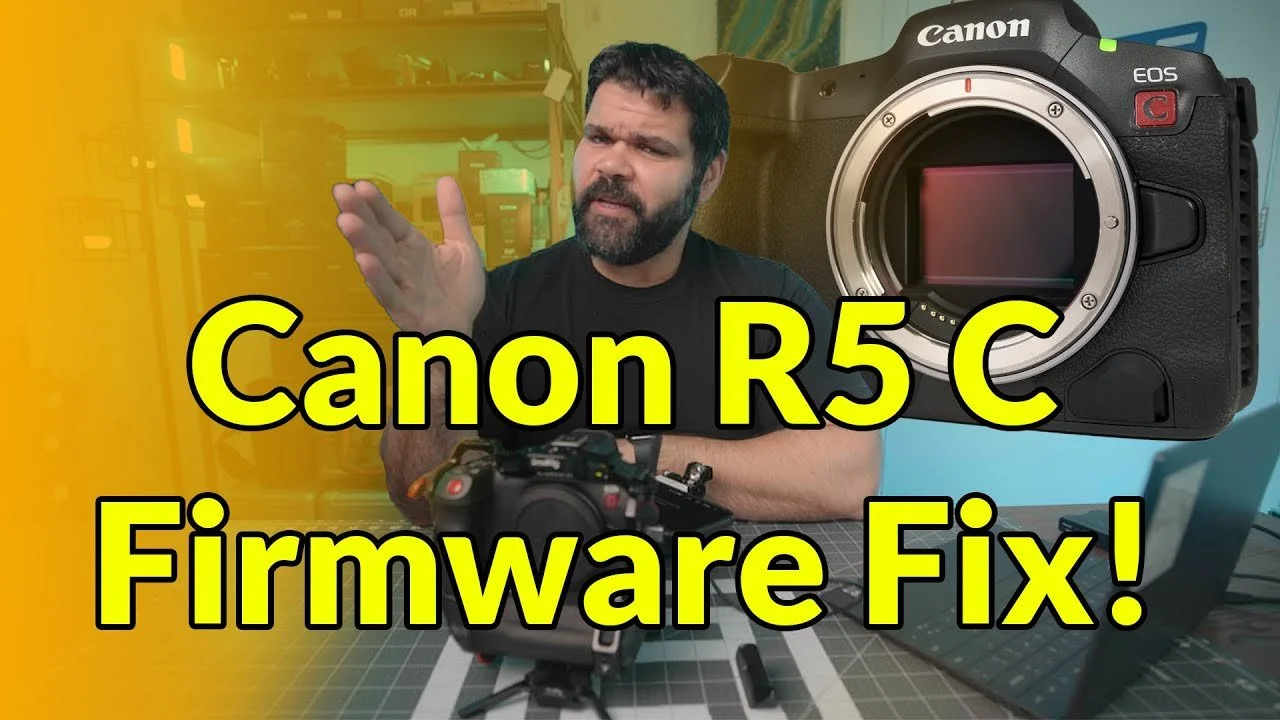
Canon R5 C Firmware 1.0.5.1 Fixes the Pixel Shift Bug
Canon R5 C firmware 1.0.5.1 fixes the pixel shift bug from 1.0.4.1. How to install it, what resets, my theory on why only one of my cameras was affected, and why Canon needs to communicate better.
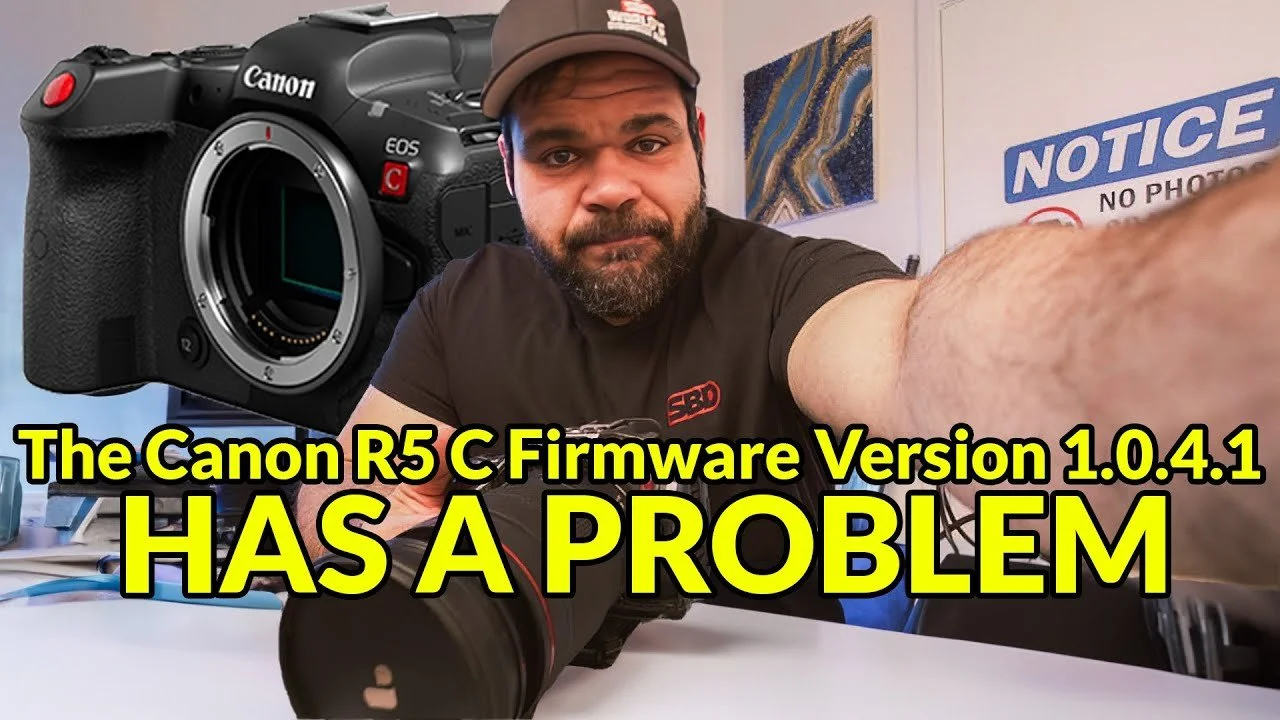
Watch This Before Updating Your Canon R5 C to Firmware 1.0.4.1
Canon R5 C firmware 1.0.4.1 brought faster mode switching, Clear Scan and better C-Log3, but turned on pixel shift in the custom modes with no way to disable it. What I found and how to work around it.
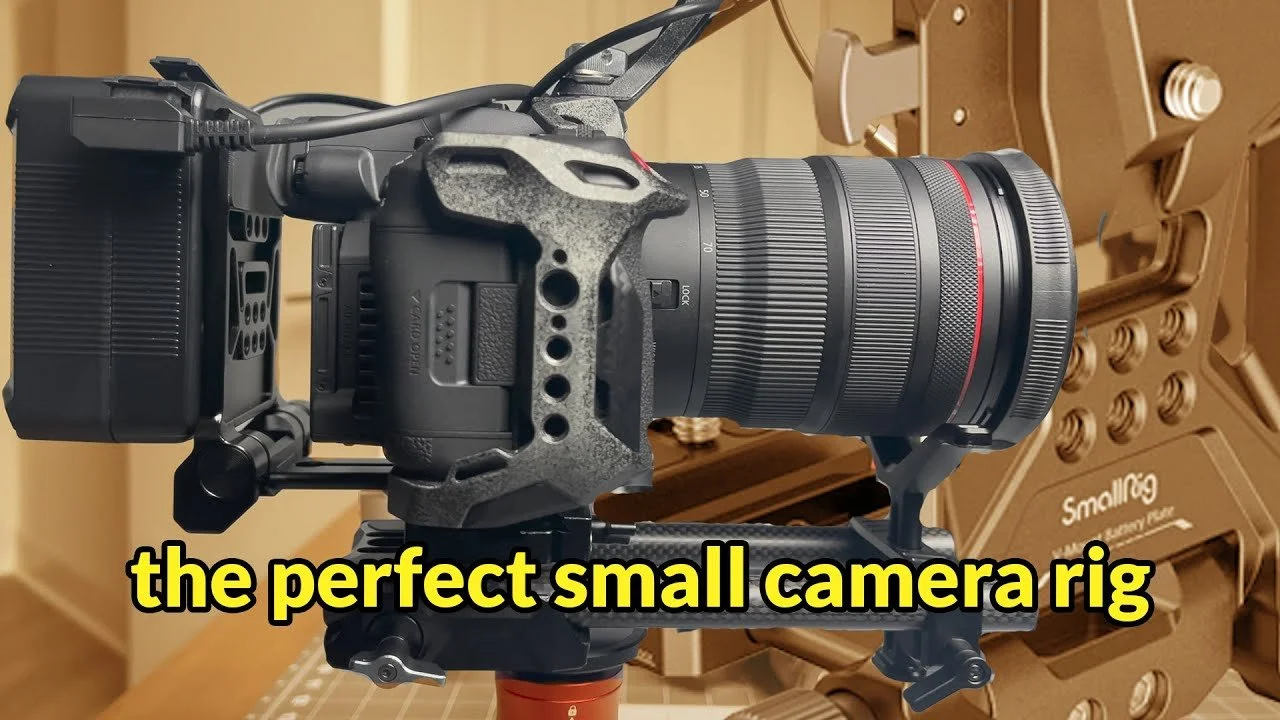
The Perfect Canon R5 C Rig: SmallRig 4064 Compact V-Mount Plate
My Canon R5 C event rig, built around the SmallRig 4064 compact V-mount plate. How it fixes the R5 C's battery life without bulk, works with older cages and compares to my previous setup.