


How To Shoot A Protest
Heading to a protest and want to capture powerful images without getting in the way or risking your gear? This guide breaks down the simple, practical setup I use at every rally—plus the key techniques for shooting while moving, staying safe, and respecting the crowd. Whether you’re new to documentary work or just want to document your next march with confidence, these tips will help you come away with stronger photos and fewer headaches.
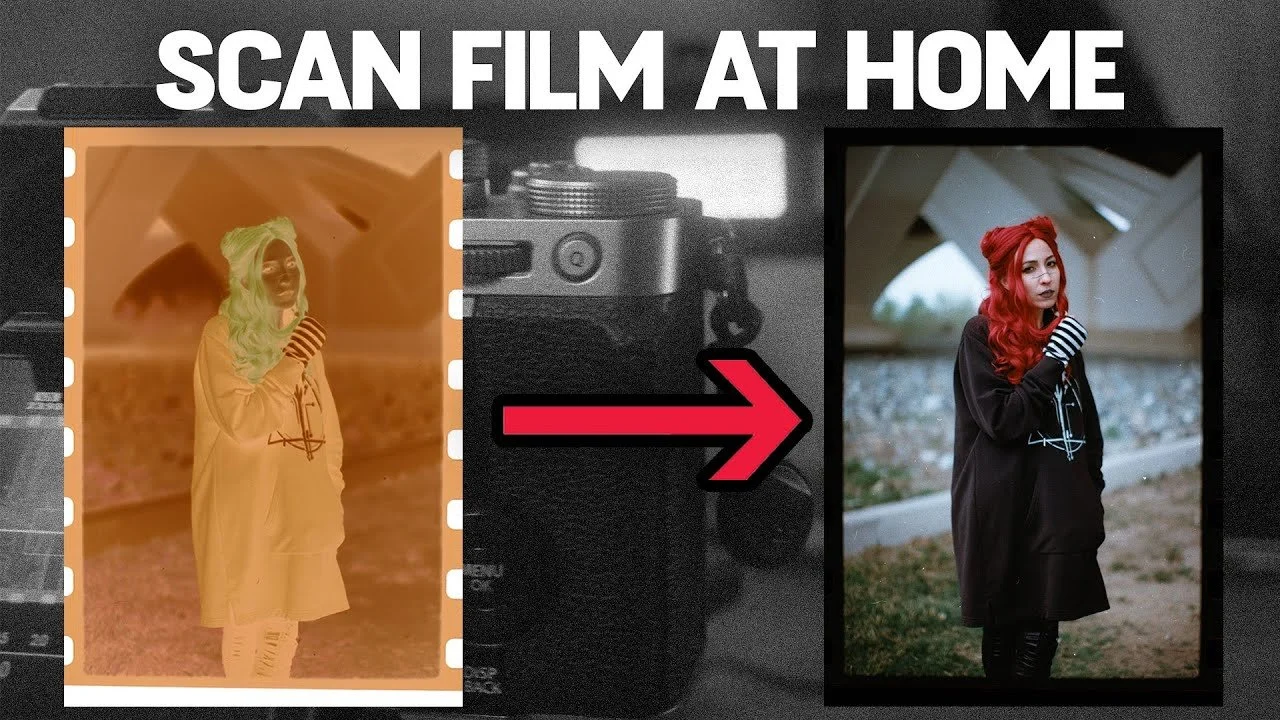
How to Scan Film Using Your Digital Camera
Lab scans add up fast. Here's how I scan film negatives at home with my digital camera and the compact JJC digitizer, plus how I convert them in FilmLab. A roll takes about three minutes.
How to Clean Your Camera Lens the Right Way
Wiping a dusty lens is like sanding its coatings away. Here's how I clean my lenses, filters and lens bodies the right way, plus why a filtered electric blower beats a basic bulb blower.

How To Turn Any Lens Into An Ultrawide Lens
Learn how to create wide-angle photos with any lens using panoramic stitching. This video demonstrates the technique using a Palestinian mural in Washington DC as an example. Discover the equipment needed, shooting tips, and post-processing steps to overcome space limitations and capture impossible shots. Perfect for photographers looking to expand their creative possibilities without investing in expensive ultra-wide lenses. Master this method to solve common shooting challenges.

Fujifilm X-T5 and 50mm F1 Natural Light Photoshoot
In my latest video, I dive into a portrait photoshoot using the Fujifilm X-T5 paired with the 50mm F1 lens—one of my all-time favorite setups. I’ve always appreciated the versatility of this lens, especially its ability to create stunning portraits with a slightly wider view than the typical 85mm.
During the shoot, I experimented with both natural and off-camera flash lighting, highlighting the importance of understanding your gear and the environment. This session reminded me that while modern technology is fantastic, sometimes it's refreshing to return to the basics, relying more on ambient light and less on additional equipment.
I also touched on the importance of adaptability during a shoot, especially when dealing with challenging lighting conditions. Whether you're a seasoned professional or just starting out, this video showcases how a well-chosen lens can elevate your photography, making every shot count.
If you're interested in seeing the results and learning more about my process, check out the video linked above. And as always, feel free to leave your thoughts and suggestions in the comments.
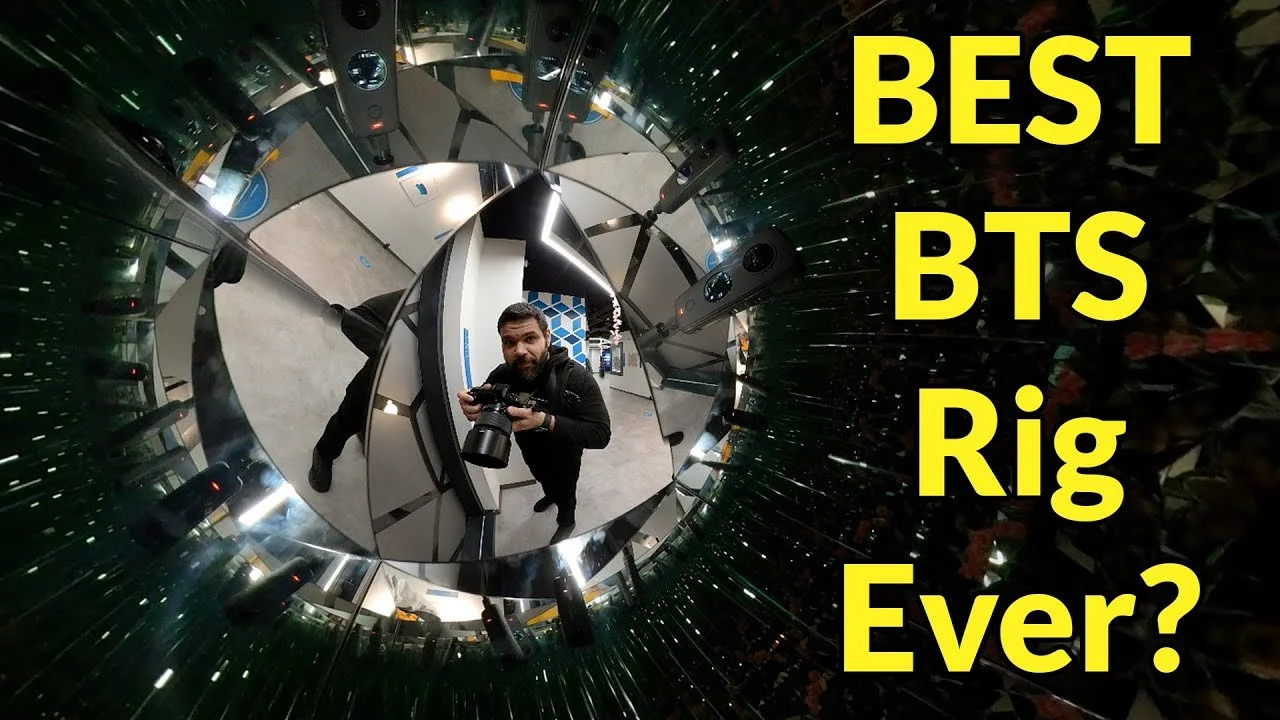
The Best BTS Setup for Photographers: A 360 Camera on a Magic Arm
My lightweight behind-the-scenes rig for photo shoots: an Insta360 ONE X2 on a sturdy SmallRig magic arm. Why the cheap arm isn't worth it, how to build it and tips for better BTS footage.
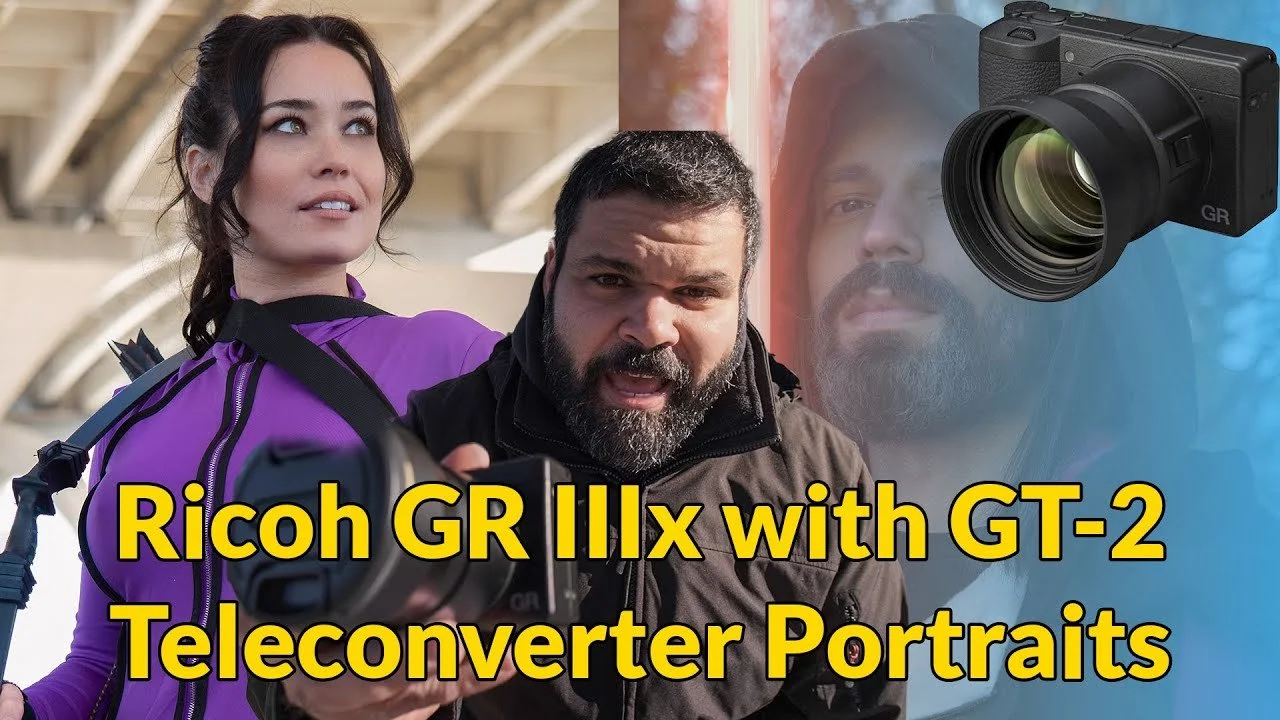
Cosplay Portraits With the Ricoh GR IIIx and GT-2 Teleconverter
A cosplay portrait walk with the Ricoh GR IIIx and GT-2 teleconverter, which turns its 40mm-equivalent lens into about 60mm. Could this pocket setup be my everyday camera?
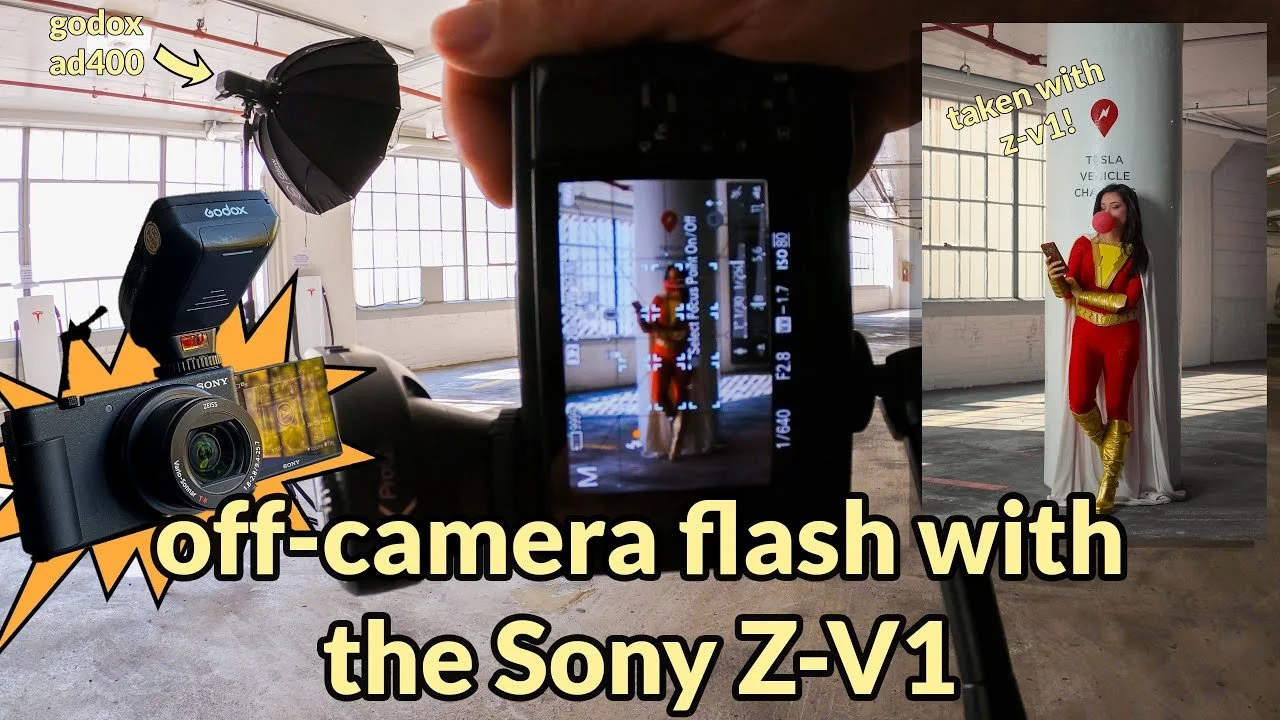
Pro Photoshoot With a Sony ZV-1 and Off-Camera Flash
Can a Sony ZV-1 handle a real portrait shoot? Off-camera flash in the Philly cold with Babs Butcher, Godox AD400 and AD200, high-speed sync, why Sony previews look so dark with a flash trigger, and how well the files edit.
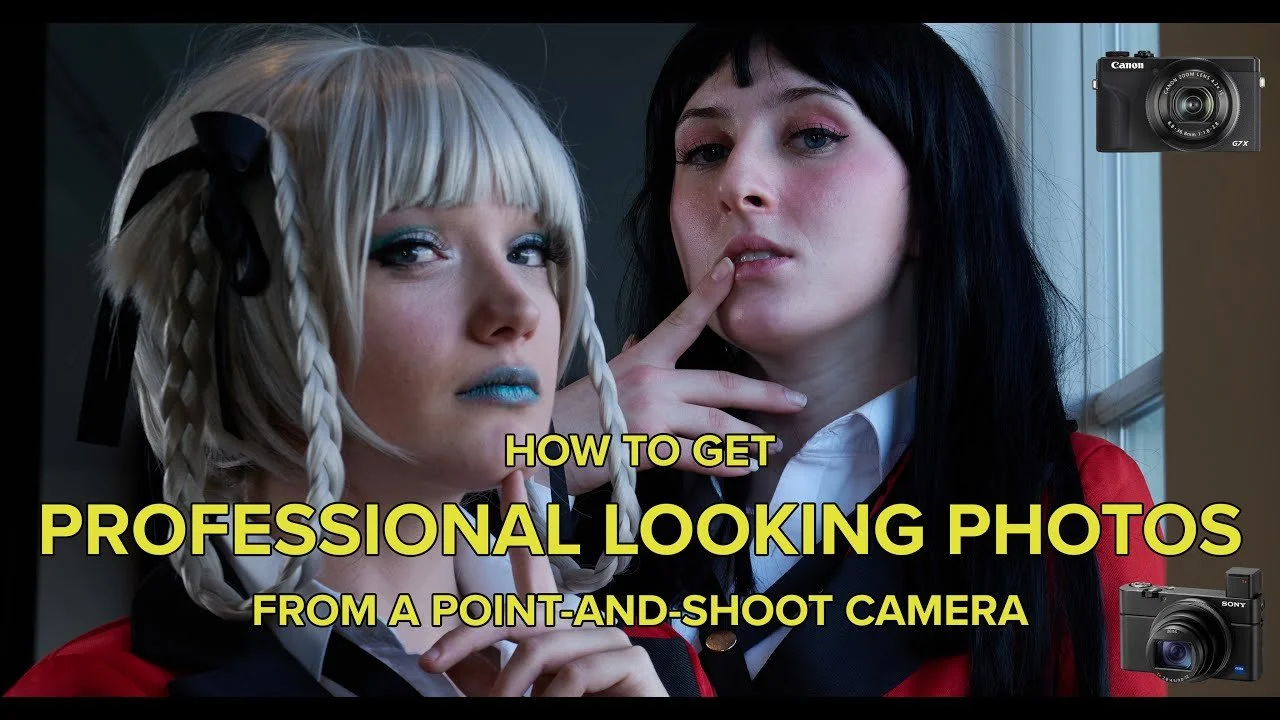
Point-and-Shoot Portraits With a Ping Pong Ball and a Speedlight
Pro-looking cosplay portraits from a Sony RX100 VII point-and-shoot, using cheap light modifiers: window light, a reflector, an LED, a ping pong ball flash diffuser, and a Godox speedlight in optical slave mode.